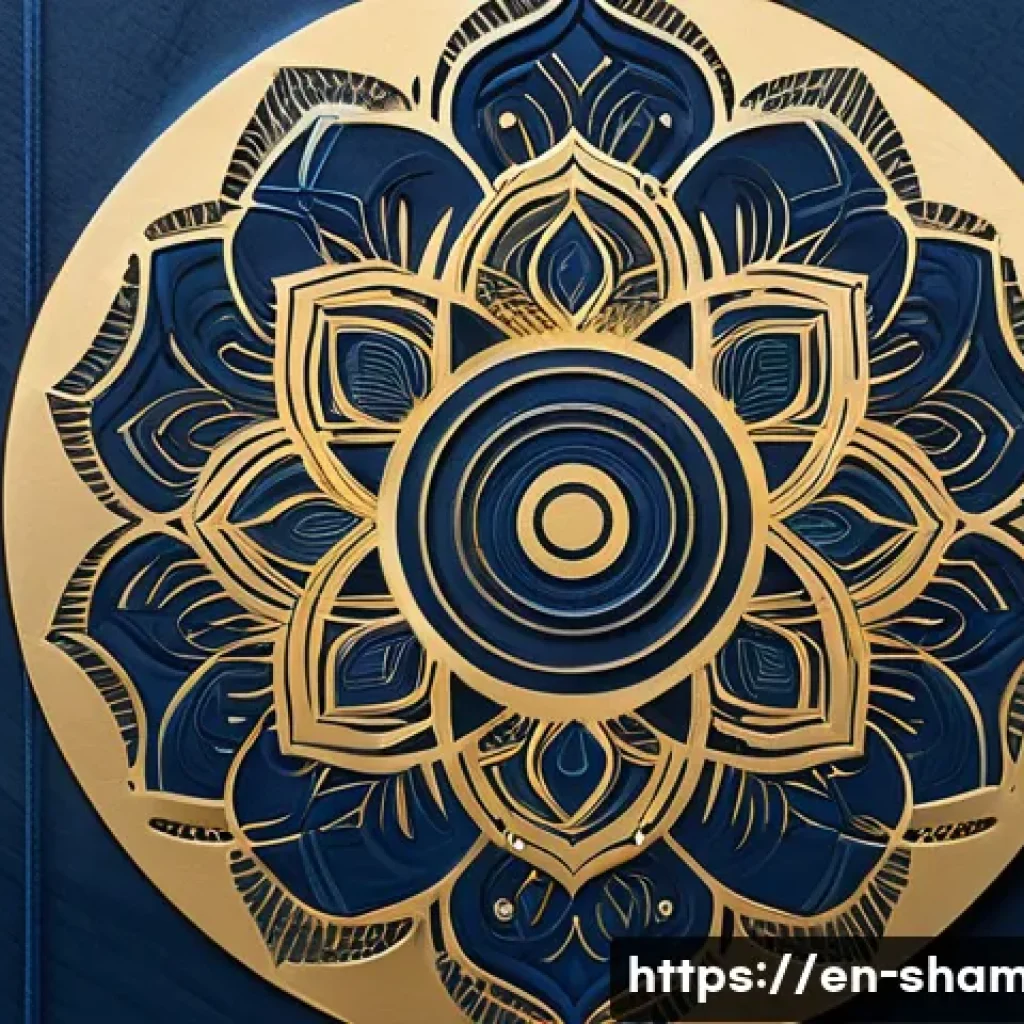
Exploring the intersection of spiritual beliefs and design reveals a fascinating blend of tradition and creativity. Many cultures have long incorporated symbolic elements rooted in mysticism to influence aesthetics and evoke deeper meaning.
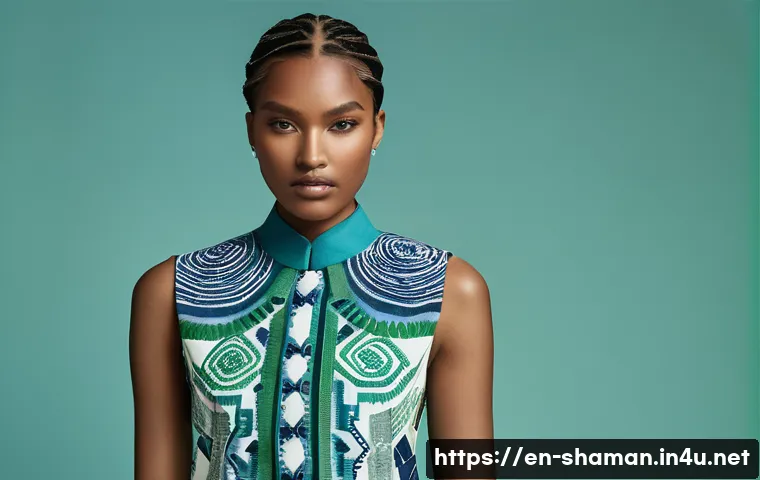
Today, designers draw inspiration from these ancient practices to craft visuals that resonate on an emotional and subconscious level. Understanding how spiritual symbolism shapes design can open new doors to innovative and meaningful creations.
Let’s dive into the intriguing connection between mysticism and modern design to uncover its hidden impact. I’ll guide you through the details ahead!
The Power of Symbolism in Visual Storytelling
Ancient Symbols as Emotional Anchors
Many cultures throughout history have imbued symbols with profound spiritual meanings, creating visual languages that communicate beyond words. For example, the lotus flower represents purity and rebirth in Eastern traditions, while the tree of life symbolizes interconnectedness in various mythologies.
When designers incorporate these symbols, they tap into a collective subconscious, evoking feelings that resonate deeply with viewers. From logos to packaging, these ancient emblems provide an emotional anchor, subtly guiding perceptions and fostering trust or curiosity without overt explanation.
Color as a Spiritual Conduit
Colors carry spiritual weight far beyond their aesthetic appeal. Take indigo, often associated with intuition and spirituality, or gold, symbolizing divinity and enlightenment.
Designers who understand these associations can craft palettes that influence mood and mindset. For instance, wellness brands frequently use soft greens and blues to evoke calmness and healing.
Personally, I’ve noticed how color choices rooted in spiritual traditions can elevate a design’s impact—making it feel more intentional and soulful, rather than just decorative.
Geometry and Sacred Patterns
Sacred geometry—like the Fibonacci sequence or mandalas—reveals a hidden harmony in nature and spirituality. Using these patterns in design creates a sense of balance and unity that’s immediately recognizable, even if the viewer isn’t consciously aware of it.
I’ve experimented with integrating mandala-inspired motifs in branding projects, and the results often feel timeless and grounded. This subtle nod to mysticism can enhance user engagement by offering a visual rhythm that our brains find inherently satisfying.
Harnessing Ritualistic Motifs for Brand Identity
Bridging Tradition and Modernity
Brands that thoughtfully incorporate ritualistic elements often stand out because they evoke a story or heritage. For example, using the imagery of ceremonial masks or traditional textiles in a contemporary layout creates a dynamic tension between old and new.
This blend appeals to audiences seeking authenticity and depth. From my experience, brands that lean into these motifs don’t just sell products—they offer a meaningful experience that invites customers into a shared cultural narrative.
Storytelling Through Iconography
Iconography rooted in spiritual practice—like the hand of Fatima or the yin-yang symbol—can be powerful shorthand for values and beliefs. Designers who embed these icons into visual identities are creating more than decoration; they’re weaving a narrative that communicates principles such as protection, balance, or harmony.
I’ve seen this approach used effectively in wellness and lifestyle sectors, where the audience’s desire for purpose aligns perfectly with symbolic storytelling.
Balancing Authenticity and Cultural Sensitivity
While spiritual symbols offer rich design inspiration, it’s crucial to approach them with respect and awareness. Misusing or oversimplifying these elements risks cultural appropriation and alienating audiences.
I always recommend thorough research and collaboration with cultural experts to ensure designs honor the origins and meanings of the symbols. This not only builds credibility but also enriches the creative process, resulting in visuals that are both impactful and respectful.
Emotional Resonance Through Mystical Elements
Triggering Subconscious Connections
Mystical elements in design can subtly influence emotions by tapping into archetypal imagery that’s embedded in our psyche. For example, spirals can evoke growth and evolution, while circles often represent wholeness and protection.
When these shapes appear in branding or product design, they can create a comforting or inspiring effect without the viewer fully realizing why. From my own observations, designs that harness these subconscious triggers tend to hold attention longer and foster stronger brand loyalty.
Creating Atmosphere With Textures and Materials
Beyond visuals, textures and materials inspired by spiritual practices—such as natural fibers, wood grains, or metallic finishes—can enhance the sensory experience of a design.
These tactile choices contribute to the narrative, suggesting authenticity, earthiness, or transcendence. For instance, a packaging design with a matte finish and embossed sacred symbols feels more premium and thoughtful than a glossy, generic alternative.
In projects I’ve handled, this attention to materiality often leads to higher perceived value and customer satisfaction.
The Role of Sound and Movement in Digital Design
In digital spaces, incorporating mystical elements isn’t limited to static visuals. Soundscapes inspired by chanting, bells, or natural sounds can deepen immersion, while animations mimicking natural rhythms (like flowing water or flickering flames) add a layer of spiritual ambiance.
I’ve experimented with subtle sound effects in meditation apps and noticed users engage more fully when the audio complements the design’s symbolic themes.
This multisensory approach can transform ordinary interactions into meaningful experiences.
Case Studies: Spiritual Themes in Contemporary Design
Wellness Brands Embracing Mindfulness
Many wellness companies successfully integrate spiritual motifs to convey calm and balance. Brands like Calm and Headspace use soft color palettes combined with simple, rounded shapes to evoke tranquility.
Their logos and app interfaces often include mandala-like patterns or subtle references to breath and flow, aligning with mindfulness practices. I’ve found that this thoughtful integration helps these brands build a loyal community by visually reinforcing their core message of inner peace.
Fashion’s Revival of Ancestral Symbols
In fashion, designers frequently revive ancestral spiritual symbols to express identity and cultural pride. From Native American beadwork patterns to African Adinkra symbols, these designs not only celebrate heritage but also create bold, meaningful statements.
Collaborating on a collection inspired by indigenous motifs, I saw firsthand how such symbols empower wearers by connecting them to their roots while making a contemporary style statement.
Architecture and Sacred Space Design
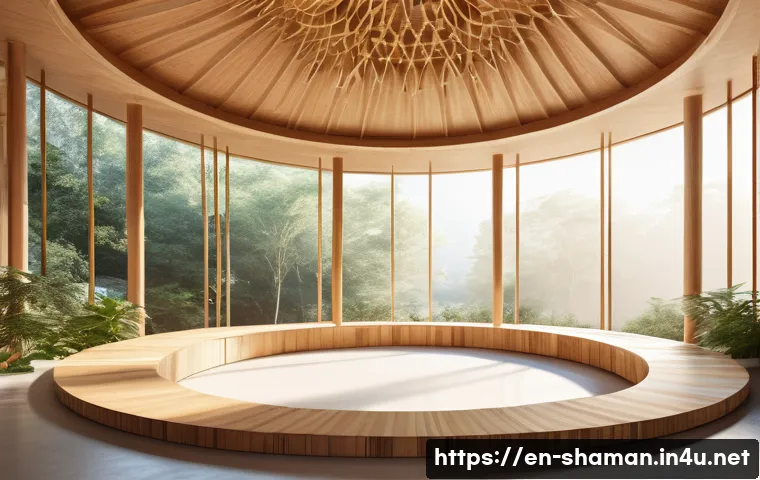
Architects often draw on spiritual principles to shape environments that foster contemplation and connection. The use of light, proportion, and sacred geometry can transform spaces into sanctuaries that support wellbeing.
For example, many modern meditation centers incorporate circular layouts and natural materials to create a sense of unity and calm. In projects I’ve visited, these design choices profoundly affect visitors’ moods, making the architecture itself a spiritual experience.
How Spirituality Influences Color Psychology in Design
Colors with Deep Cultural and Spiritual Roots
Colors are not just visual stimuli; they carry centuries of spiritual symbolism that influence perception and emotion. For instance, purple historically represents royalty and mysticism, while red can symbolize both passion and protection.
Designers leveraging these associations can create visuals that feel charged with meaning. My personal projects often experiment with these hues to evoke specific feelings—from serenity to vitality—depending on the message we want to convey.
Psychological Impact on Consumer Behavior
When spiritual color meanings align with brand values, consumer responses tend to be stronger and more positive. A brand using calming blue tones in a meditation app, for example, taps into both cultural symbolism and psychological relaxation triggers.
I’ve noticed that users often describe feeling “at ease” or “drawn in” when color choices reflect these spiritual underpinnings, which can increase engagement and retention.
Combining Color and Symbol for Maximum Effect
The interplay between color and spiritual symbols amplifies design impact. A golden sacred geometry pattern on a deep indigo background can convey luxury and mystery simultaneously.
In my experience, this layering creates a richer narrative, inviting viewers to explore and interpret the design more deeply. It’s a strategy that elevates branding from mere aesthetics to an evocative visual journey.
Integrating Mysticism in User Experience Design
Designing for Intuition and Flow
Mysticism often emphasizes flow and balance, concepts that align perfectly with good UX design. Interfaces that feel intuitive, with seamless navigation and harmonious layouts, mirror spiritual ideals of ease and natural rhythm.
I’ve found that incorporating circular buttons or fluid animations can subconsciously encourage users to feel relaxed and confident while interacting with an app or website.
Using Symbolic Feedback to Enhance Interaction
Incorporating spiritual symbols into feedback mechanisms—like loading animations shaped as mandalas or subtle sound cues inspired by chants—can make user interactions feel more meaningful.
This approach turns mundane moments into small rituals, enhancing engagement. Personally, I’ve implemented this in wellness platforms, and users often comment on how these details make the experience feel more personal and intentional.
Balancing Minimalism and Symbolic Richness
A challenge in UX design is maintaining simplicity while embedding rich symbolism. Overloading an interface with too many mystical elements can overwhelm users, while too little may feel sterile.
From my projects, the key is subtlety—using symbols sparingly but purposefully, paired with clean layouts to create spaces that feel both inviting and profound.
| Design Element | Spiritual Influence | Emotional Impact | Example Usage |
|---|---|---|---|
| Symbolism | Ancient icons like lotus, mandalas | Connection, purity, balance | Brand logos, packaging |
| Color | Indigo for intuition, gold for divinity | Calm, luxury, spirituality | Wellness apps, product design |
| Geometry | Sacred patterns, Fibonacci | Harmony, order, satisfaction | Architectural layouts, UI design |
| Texture & Material | Natural fibers, wood, metallic finishes | Authenticity, earthiness, transcendence | Packaging, interior design |
| Sound & Movement | Chants, natural sounds, fluid animation | Immersion, calm, engagement | Meditation apps, websites |
Challenges and Ethical Considerations in Spiritual Design
Respecting Cultural Origins
One of the biggest challenges in blending spirituality with design is honoring the source cultures. Without proper understanding, designs risk reducing sacred symbols to mere decoration, stripping them of meaning.
I always advocate for designers to approach these elements with humility and seek guidance from cultural custodians to ensure authenticity and respect.
Avoiding Stereotypes and Simplifications
Simplifying complex spiritual traditions into easy-to-use design motifs can perpetuate stereotypes and misunderstandings. From my experience, the best results come from deep research and nuanced interpretation rather than quick fixes.
Taking the time to explore the layers of meaning behind symbols enriches the design and avoids offensive generalizations.
Balancing Commercial Goals with Spiritual Integrity
Designers often face pressure to prioritize marketability over spiritual authenticity. Striking a balance between commercial success and honoring spiritual significance requires thoughtful decision-making.
I’ve found that brands willing to invest in this balance tend to build stronger, more loyal audiences who appreciate the genuine connection rather than superficial trends.
In Closing
The use of spiritual symbolism in design creates a powerful bridge between meaning and emotion, enriching visual storytelling in ways that resonate deeply with audiences. When thoughtfully applied, these elements not only enhance brand identity but also foster authentic connections. Embracing the balance between tradition and modernity opens new avenues for creativity that feel both timeless and relevant.
Useful Insights to Remember
1. Incorporating ancient symbols taps into shared cultural memories, evoking emotional responses without overt explanation.
2. Color choices rooted in spiritual traditions can influence mood and perception, making designs feel more intentional and soulful.
3. Sacred geometry and patterns bring a natural sense of harmony and balance that subtly engages viewers on a subconscious level.
4. Ethical use of spiritual motifs requires respect, research, and collaboration to avoid cultural appropriation and ensure authenticity.
5. Combining visual, tactile, and auditory mystical elements can elevate user experience, turning interactions into meaningful rituals.
Key Takeaways for Effective Spiritual Design
Successful spiritual design hinges on authenticity, cultural sensitivity, and purposeful integration. Designers should prioritize deep understanding of symbols and their meanings while balancing commercial goals with respect for traditions. Subtlety and thoughtful layering of elements create emotional resonance without overwhelming the audience. Ultimately, designs that honor their spiritual roots foster stronger connections and lasting impact.
Frequently Asked Questions (FAQ) 📖
Q: How do spiritual beliefs influence modern design practices?
A: Spiritual beliefs often provide designers with a rich source of symbolism and meaning that goes beyond surface aesthetics. By incorporating elements like sacred geometry, color symbolism, or traditional motifs, designers can create works that evoke deeper emotional responses and connect with audiences on a subconscious level.
From my experience, when a design subtly integrates these spiritual cues, it feels more authentic and resonates longer with viewers, adding layers of storytelling and cultural depth.
Q: Can using mystical symbolism in design appeal to a wide audience, or is it too niche?
A: While mystical symbolism might seem niche at first glance, many of its core elements—like balance, harmony, and universal shapes—are actually quite universal and can appeal broadly.
For example, mandalas or the use of natural elements often evoke feelings of calm and unity that many people appreciate regardless of their spiritual background.
From what I’ve seen, when these symbols are used thoughtfully and with respect, they tend to enhance the design’s emotional impact and accessibility rather than alienate viewers.
Q: What are some practical ways designers can incorporate spiritual elements without cultural appropriation?
A: This is a crucial question. The key is respectful research and authentic intention. Designers should take the time to understand the origins and meanings behind the symbols they wish to use, ideally consulting with cultural experts or communities connected to those traditions.
Personally, I find that blending spiritual elements with personal or contemporary stories helps create unique designs that honor their roots without copying or trivializing them.
Transparency about the inspiration behind a design also builds trust and shows genuine respect.