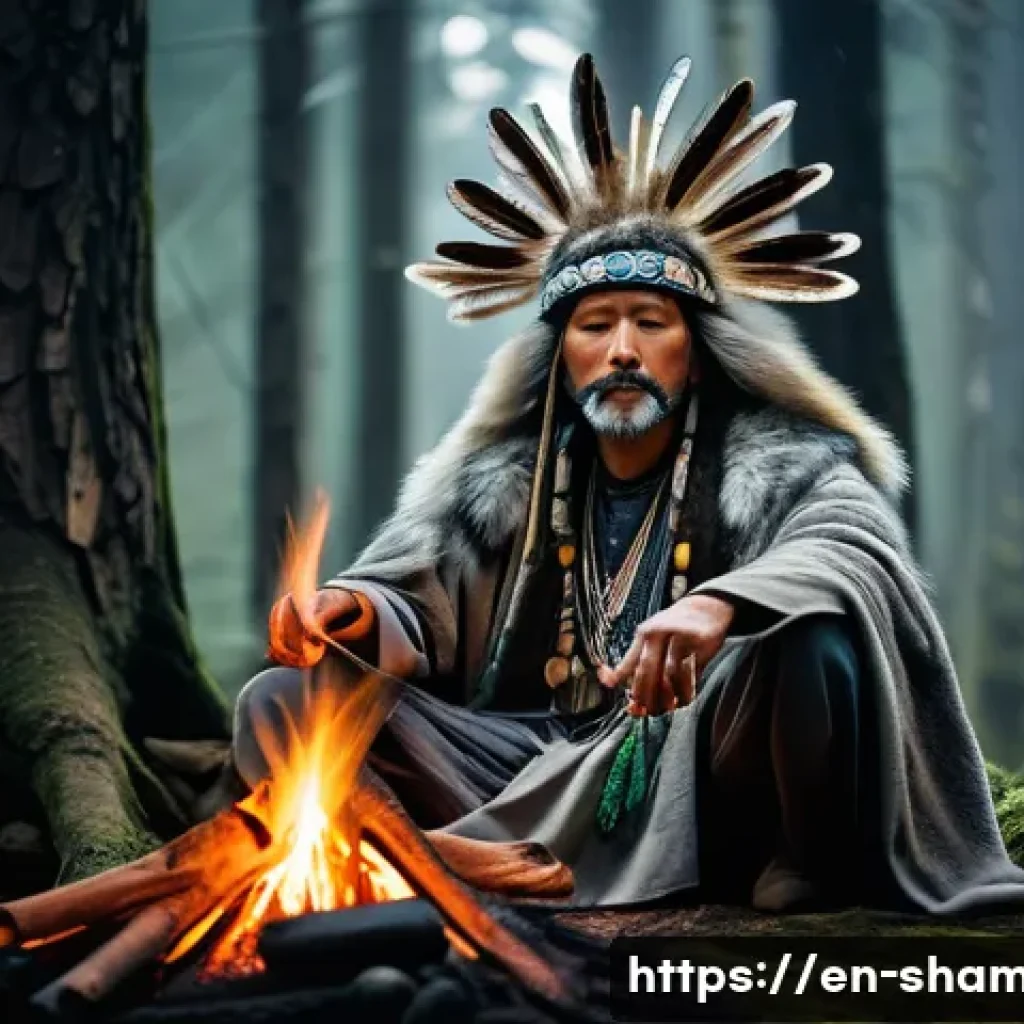
Exploring the realms of spiritual traditions often leads us to intriguing concepts like shamanism and astrology. While both offer unique insights into human destiny and the unseen forces shaping our lives, they stem from different cultural backgrounds and serve distinct purposes.
Shamanism is rooted in ancient rituals and communication with the spirit world, whereas astrology focuses on interpreting celestial patterns to predict life events.
Understanding these differences can deepen our appreciation for how various cultures seek guidance and meaning. Let’s dive in and uncover the fascinating contrasts between shamanism and astrology.
Get ready to learn all the details ahead!
Foundations of Connection: Spirit and Cosmos
How Shamans Engage with the Invisible
Shamanism revolves around the shaman’s ability to interact with unseen realms—whether spirits of ancestors, animal guides, or elemental forces. Shamans typically enter altered states of consciousness through drumming, chanting, or plant medicine, allowing them to journey beyond ordinary reality.
This intimate communication serves various purposes like healing, divination, or community guidance. What fascinates me is how this practice is deeply experiential—shamans don’t just study spirits; they actively engage with them, often describing vivid encounters and tangible sensations.
It’s a dynamic, living connection rather than abstract knowledge.
Astrology’s Celestial Language
Astrology, on the other hand, reads the movements and alignments of planets, stars, and other celestial bodies to interpret human affairs. It’s a system built on patterns and symbolism, where each zodiac sign or planetary position carries specific traits or influences.
Unlike shamanism’s direct spiritual interaction, astrology relies on cosmic timing and correlation. From personal birth charts to broader predictive cycles, astrology offers a map of potential energies affecting life’s unfolding.
I’ve found astrology’s appeal lies in its structured approach—there’s a kind of cosmic logic that resonates even if you’re not fully convinced of its mystical roots.
Shared Goal, Different Paths
Though shamanism and astrology differ in methods, both ultimately aim to provide insight and guidance. Each tradition helps individuals make sense of life’s mysteries, whether through spirit mediation or star patterns.
The key difference is that shamanism is deeply rooted in ritual and personal spiritual experience, while astrology is more analytical and symbolic. This contrast reflects broader cultural variations in how people seek meaning—some through direct spiritual engagement, others through observing and interpreting the cosmos.
Rituals and Practices: Journey vs. Chart
Entering the Spirit World
Shamanic rituals often involve intense physical and mental preparation: fasting, drumming, dancing, or using sacred plants. These elements help induce trance states where shamans journey to other realms.
I recall reading about shamans describing their travels as vivid, immersive experiences—meeting spirit animals or ancestors who impart wisdom or healing energy.
This embodied approach contrasts starkly with more passive practices, emphasizing direct participation over observation.
Astrological Charting and Interpretation
Astrology’s rituals tend to be more cerebral and symbolic—casting charts based on exact birth times, analyzing planetary aspects, and consulting ephemerides.
The process is meticulous and requires a strong grasp of astronomy and mythology. I’ve noticed that astrology often appeals to those who enjoy decoding patterns and symbols, turning the heavens into a complex puzzle that reflects inner life.
While it lacks the physical immersion of shamanic rituals, it offers a structured framework for understanding personality and destiny.
The Role of Tools and Symbols
Both traditions rely heavily on tools—shamans might use drums, rattles, feathers, or sacred altars, while astrologers depend on charts, ephemerides, and zodiac symbols.
These tools serve as bridges to the unseen, whether connecting to spirit guides or cosmic forces. Their use reflects how tangible objects can facilitate intangible experiences, grounding abstract concepts in sensory reality.
Worldviews and Cultural Contexts
Shamanism’s Embeddedness in Nature
Shamanism is inseparable from the natural world and its cycles. Many indigenous cultures see humans as part of an interconnected web where every element—plants, animals, rivers—holds spirit.
This holistic worldview means that healing or guidance always involves restoring balance within this web. From personal experience and accounts, shamans often emphasize respect and reciprocity with nature, which feels very different from modern, human-centered perspectives.
Astrology’s Cosmic Order
Astrology presents a cosmos governed by predictable cycles and correspondences. It reflects a worldview where the heavens mirror human affairs, suggesting a universe ordered by symbolic laws.
Unlike shamanism’s relational worldview, astrology often implies a predetermined structure influencing fate and character. The appeal here lies in its sense of order and predictability, offering comfort to those who feel adrift.
How These Views Shape Life Decisions
People following shamanism might seek healing through ceremonies or guidance from spirit helpers, emphasizing personal transformation and harmony with nature.
Astrology users might plan important events around auspicious planetary alignments or gain psychological insights through their natal charts. Both approaches influence how adherents understand free will, destiny, and personal growth, shaping daily choices and long-term outlooks in distinct ways.
Healing and Guidance: Spirit-Led vs. Star-Guided
Shamanic Healing Practices
Healing in shamanism often involves soul retrieval, energy clearing, or spirit extraction. Shamans believe illness can stem from spiritual imbalances or lost soul fragments, which they seek to restore through ritual.
I’ve come across stories where people report profound emotional and physical relief after such ceremonies, highlighting the power of direct spiritual intervention.
It’s a hands-on, personalized form of healing deeply tied to the community and environment.
Astrological Counseling and Timing
Astrological healing focuses more on understanding energetic patterns and timing interventions accordingly. For example, astrologers might recommend when to start new projects or avoid risky decisions based on planetary transits.
While it doesn’t claim to cure illness directly, astrology offers psychological and strategic support by revealing underlying influences. Many find this guidance empowering as it helps anticipate challenges and opportunities.
Complementary Uses in Modern Wellness
Interestingly, some contemporary practitioners blend shamanic and astrological elements, using star charts to time rituals or invoking spirit guides for astrological insights.
This fusion reflects a growing trend of integrating ancient wisdom with modern holistic health approaches. From my observation, such combinations can enrich personal growth practices, offering layered perspectives on healing and self-awareness.
Interpretation and Authority: Personal Experience vs. Systematic Study
The Shaman’s Intuitive Role
Shamans are often seen as chosen or gifted individuals whose authority comes from personal spiritual experience. Their interpretations are fluid, adapting to each situation and client.
This improvisational aspect means that no two shamanic sessions are alike, and much depends on the shaman’s sensitivity and connection. The trust built through these encounters feels intimate and profound, rooted in lived experience rather than fixed doctrine.
Astrologer’s Analytical Framework
Astrologers rely on a codified system of symbols and rules, which they study extensively. Their authority stems from knowledge of celestial mechanics and traditional interpretations passed down through centuries.
While personal intuition can play a role, astrology demands precision and consistency. This gives it a scholarly aura, making it appealing to those who value intellectual rigor alongside spiritual insight.
How Practitioners Build Trust
Both shamans and astrologers must cultivate trust with their clients, but they do so differently. Shamans often demonstrate their power through visible ritual effects or healing outcomes.
Astrologers build credibility by accurate readings and clear explanations. In either case, personal rapport and authenticity are key, as clients seek not only answers but meaningful connection.
Comparing Shamanism and Astrology at a Glance
| Aspect | Shamanism | Astrology |
|---|---|---|
| Origin | Ancient indigenous spiritual practices rooted in animism and nature worship | Developed from Babylonian, Greek, and Hellenistic traditions focused on celestial observation |
| Core Practice | Spirit journeying and ritual healing through altered states of consciousness | Charting planetary positions and interpreting symbolic meanings |
| Purpose | Healing, divination, communication with spirit guides | Predicting life events, personality analysis, timing decisions |
| Tools | Drums, rattles, feathers, sacred plants, altars | Birth charts, ephemerides, zodiac symbols, planetary tables |
| Worldview | Interconnectedness of all living beings and spirits in nature | Cosmic order influencing human fate through symbolic correspondences |
| Authority | Personal spiritual experience and community recognition | Scholarly knowledge and mastery of astrological systems |
| Healing Approach | Restoring soul fragments, energy clearing, spirit extraction | Psychological insight, strategic timing of actions |
Modern Relevance and Integration
Shamanism in Contemporary Spirituality
Today, shamanic practices have seen a resurgence beyond indigenous contexts, often adapted into wellness and personal development arenas. People seek out shamanic healing for emotional trauma, spiritual awakening, or connection to nature.
I’ve noticed that many urban dwellers find shamanism’s earthy, experiential approach refreshing in a digital world dominated by screens and abstraction.
Astrology’s Popularity in the Digital Age
Astrology has exploded in popularity through apps, social media, and online readings. Its accessibility and daily horoscopes appeal to a broad audience looking for guidance in chaotic times.
The system’s adaptability to modern lifestyles—whether through quick personality insights or detailed forecasts—makes it a versatile tool for self-reflection and planning.
Blending Old Wisdom with New Needs
Both traditions continue evolving, with practitioners blending ancient techniques with modern psychology, science, and technology. This fusion creates new pathways for healing and self-understanding, showing that despite their differences, shamanism and astrology remain vibrant sources of insight in today’s world.
From personal experience, this blend enriches spiritual exploration, offering multiple lenses through which to view life’s mysteries.
In Conclusion
Both shamanism and astrology offer unique ways to connect with the unseen, guiding us through life’s mysteries with distinct approaches. Whether through direct spiritual journeys or cosmic patterns, these traditions enrich our understanding of self and the world. Exploring their differences and overlaps reveals how ancient wisdom continues to inspire modern seekers. Embracing either path invites deeper insight, healing, and connection.
Useful Information to Know
1. Shamanism involves active spiritual engagement, often using rituals to enter altered states and communicate with spirits for healing and guidance.
2. Astrology interprets celestial movements symbolically, providing a structured framework to understand personality traits and life cycles.
3. Both practices use specific tools—shamans with drums and sacred objects, astrologers with charts and planetary data—to bridge seen and unseen worlds.
4. Shamanism emphasizes nature’s interconnectedness and personal spiritual experience, while astrology focuses on cosmic order and symbolic meaning.
5. Modern practitioners sometimes blend these traditions to create holistic approaches that address emotional, spiritual, and psychological needs.
Key Takeaways
Understanding shamanism and astrology highlights the diverse ways humans seek meaning—through immersive spiritual experience or analytical cosmic observation. Each tradition offers valuable insights tailored to different temperaments and needs. Their enduring relevance speaks to a shared human desire for connection, guidance, and healing beyond the material world. Approaching these paths with respect and openness can deepen personal growth and broaden spiritual horizons.
Frequently Asked Questions (FAQ) 📖
Q: How do shamanism and astrology differ in their approach to understanding human destiny?
A: Shamanism approaches human destiny through direct interaction with the spirit world, using rituals, trance states, and communication with spirits or ancestors to gain insight and guidance.
It’s deeply experiential and often personalized, rooted in indigenous cultural practices. Astrology, on the other hand, interprets the positions and movements of celestial bodies—like stars and planets—to forecast events and personality traits.
It relies on symbolic systems and charts rather than spiritual journeys, offering a cosmic perspective on life’s patterns.
Q: Can someone practice both shamanism and astrology, or are they mutually exclusive?
A: Absolutely, someone can explore and even practice both! While they originate from different traditions and methods, many people find value in combining the two to enrich their spiritual understanding.
Shamanism provides a more hands-on, intuitive connection with spirits, while astrology offers structured insights based on celestial timing. Using both can complement each other—like blending personal spiritual experience with cosmic timing for decision-making or healing.
Q: What cultural backgrounds do shamanism and astrology come from, and how do these origins influence their practices?
A: Shamanism is primarily rooted in indigenous cultures around the world, including Siberian, Native American, and Amazonian traditions. Its practices are often community-centered and involve sacred rituals passed down through generations.
Astrology has origins in ancient Babylonian and Hellenistic civilizations and has evolved through Western and Eastern traditions like Vedic astrology in India.
These origins shape their focus—shamanism emphasizes direct spirit interaction and healing, while astrology emphasizes celestial patterns and their influence on human life.
Understanding these backgrounds helps appreciate why each offers a unique path to meaning and guidance.