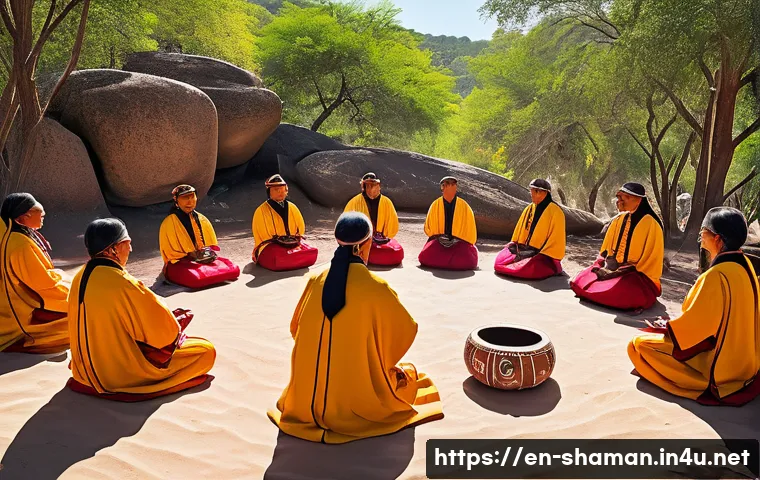
Spiritual practices rooted in ancient traditions often challenge modern legal frameworks, especially when it comes to recognition and protection under the law.
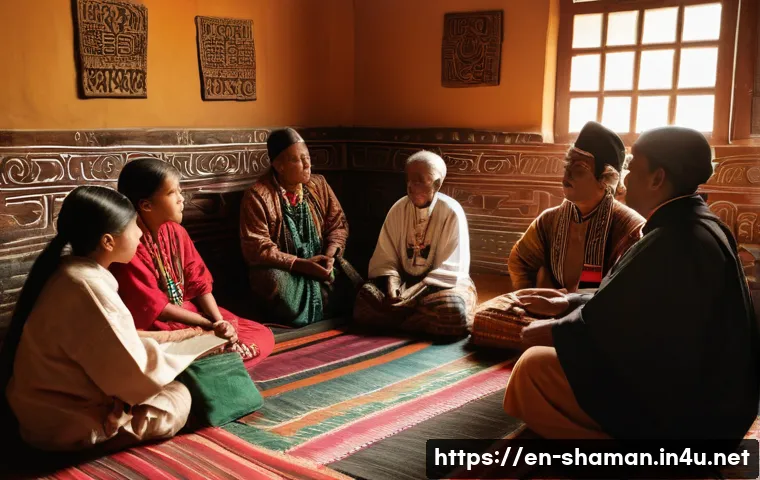
Many indigenous and folk religions operate outside mainstream religious institutions, raising complex questions about their legal status and rights. Understanding how these belief systems are treated legally can shed light on broader issues of religious freedom and cultural preservation.
As societies evolve, the intersection between traditional spirituality and contemporary law becomes increasingly relevant. Let’s dive deeper and explore the legal standing of these fascinating spiritual practices in detail!
Legal Recognition of Non-Mainstream Spiritual Traditions
Challenges in Defining Religion Legally
Trying to pin down what counts as a religion in the eyes of the law can feel like chasing a moving target, especially when it comes to spiritual practices rooted in ancient or indigenous traditions.
Many legal systems rely on definitions that fit established, organized religions with clear doctrines and hierarchies. However, folk and indigenous spiritualities often lack centralized institutions or codified beliefs, making them harder to categorize.
This ambiguity leads to inconsistent recognition, where some practices may be granted religious status while others are dismissed as cultural or superstitious activities.
The complexity is compounded by the fact that these traditions are deeply woven into the community’s identity, making any legal misclassification a potential threat to cultural survival.
Case Studies Highlighting Recognition Issues
Looking at real-world examples helps illustrate how courts and governments handle these matters differently. In the United States, for instance, the Native American Church has secured some protections for its ceremonial use of peyote, but other indigenous practices still struggle for recognition.
Similarly, in Canada, the legal system acknowledges certain indigenous spiritual rights through treaty agreements, yet the extent of protection varies widely by region.
On the other hand, in many European countries, folk religions often exist in a legal gray area, not fully recognized but tolerated as cultural heritage.
These varied approaches reveal the tension between universal religious freedom principles and the unique needs of traditional spiritual communities.
Impact of Legal Recognition on Cultural Continuity
When spiritual practices gain legal recognition, it’s not just about religious rights—it can make or break the community’s ability to pass down traditions.
Legal protections can safeguard sacred sites, allow ritual substances, or enable public ceremonies without fear of prosecution. Conversely, lack of recognition can lead to restrictions that disrupt the practice and transmission of ancient knowledge.
For many practitioners, law isn’t just an abstract framework but a lived reality affecting their spiritual expression and cultural identity. This intersection underscores why legal recognition matters far beyond courtroom debates—it’s about preserving a way of life.
Balancing Religious Freedom with Public Policy
When Spiritual Practices Conflict with Secular Laws
Sometimes, traditional spiritual practices clash with modern laws designed to protect public health, safety, or morals. For example, rituals involving animal sacrifice, use of controlled substances, or specific dress codes might be at odds with existing regulations.
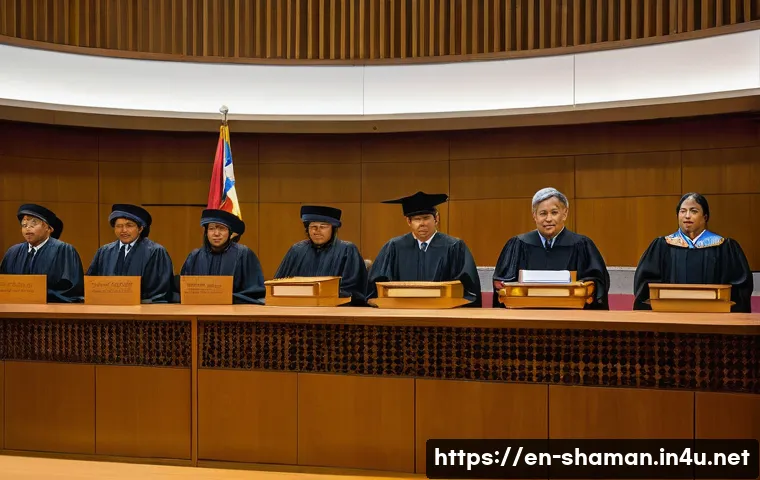
Governments face the tricky task of respecting religious freedoms while enforcing laws that serve the broader public interest. Courts often have to balance these competing values, weighing the sincerity and importance of the spiritual practice against potential harm or legal violations.
This balancing act is rarely straightforward and often sparks heated debate around the limits of religious liberty.
Legal Precedents Setting Boundaries
Several landmark legal cases have shaped how far religious freedom extends when it intersects with other laws. For instance, the U.S. Supreme Court’s decision in Employment Division v.
Smith limited protections for religious use of illegal drugs, sparking legislative responses like the Religious Freedom Restoration Act (RFRA). Similarly, in Australia, the recognition of Aboriginal sacred sites has influenced land use laws, though conflicts persist.
These cases demonstrate that courts don’t always side with spiritual practices if they contravene public policy, but they do set important boundaries and frameworks for dialogue.
Understanding these precedents is key to navigating future legal challenges.
Strategies for Advocating Spiritual Rights
Communities and advocates have developed various strategies to secure legal protections, including lobbying for new laws, engaging in public education, and pursuing litigation.
Collaborating with legal experts who understand both spiritual traditions and constitutional law can make a significant difference. Some groups also seek recognition through cultural heritage frameworks, which can offer alternative protections when religious status is hard to obtain.
Building alliances with broader religious freedom and human rights organizations helps amplify their voice. Over time, these efforts contribute to a more inclusive understanding of religious liberty that embraces diverse spiritual expressions.
International Perspectives on Traditional Spirituality
Global Human Rights Instruments and Indigenous Spirituality
International human rights treaties increasingly recognize the importance of protecting indigenous cultural and spiritual practices. Documents like the United Nations Declaration on the Rights of Indigenous Peoples (UNDRIP) emphasize the right to maintain spiritual traditions without discrimination.
While these instruments don’t have direct legal force in every country, they influence national laws and judicial decisions. They also provide a framework for indigenous groups to assert their rights on a global stage, fostering solidarity and raising awareness about the unique challenges traditional spiritualities face in the modern world.
Comparative Legal Approaches Around the World
Different countries adopt diverse legal approaches reflecting their histories and cultural compositions. For example, New Zealand’s Treaty of Waitangi recognizes Maori spiritual rights alongside land rights, while Brazil’s constitution explicitly protects indigenous cultural heritage, including spiritual customs.
In contrast, some nations still prioritize secularism or dominant religious traditions, limiting recognition for minority spiritualities. These differences highlight the importance of context and the evolving nature of law as societies grapple with pluralism and cultural preservation.
Studying these models offers valuable lessons for policymakers and advocates alike.
Challenges of Enforcing International Protections
Despite international commitments, enforcement remains a significant hurdle. Many indigenous communities face ongoing discrimination, land dispossession, and legal obstacles that undermine their spiritual practices.
Limited resources and political will often restrict the effectiveness of international protections. Moreover, globalization and economic development pressures can threaten sacred sites and traditions.
Addressing these challenges requires concerted efforts from governments, NGOs, and international bodies to translate principles into practical support, ensuring spiritual freedoms are not just theoretical but real and sustainable.
Legal Frameworks and Sacred Sites Protection
Importance of Sacred Sites in Spiritual Traditions
Sacred sites hold immense significance as physical spaces where spiritual practices are performed and ancestral connections maintained. For many indigenous and folk religions, these locations are not just places of worship but integral to their cosmology and identity.
Protecting these sites legally is crucial for the survival of the traditions themselves. However, these places often face threats from development, mining, tourism, or environmental degradation, making legal safeguards essential to prevent desecration or loss.
Mechanisms for Site Protection in Law
Various legal tools exist to protect sacred sites, including designation as national parks, heritage sites, or through specific indigenous land rights legislation.
Environmental laws can sometimes be leveraged to prevent harmful activities. In some countries, special permits or consultation requirements are established to ensure indigenous communities have a say in projects affecting their sacred spaces.
However, the effectiveness of these mechanisms varies widely depending on enforcement and political support. Successful protection often depends on strong community advocacy and legal recognition of indigenous land tenure.
Conflicts and Resolutions Around Sacred Land
Disputes over sacred sites frequently arise when economic interests clash with spiritual values. For instance, mining or infrastructure projects may threaten lands deemed sacred, leading to protests and legal battles.
In some cases, courts have ruled in favor of indigenous communities, setting important precedents. In others, compromises or co-management agreements have been negotiated to balance development and cultural preservation.
These conflicts underscore the need for respectful dialogue and legal frameworks that prioritize indigenous voices and rights in land use decisions.
Documentation and Transmission of Oral Spiritual Traditions
Challenges of Legal Recognition for Oral Traditions
Many ancient spiritual practices rely heavily on oral transmission rather than written scriptures. This presents unique challenges in legal contexts that often prioritize documented evidence.
Proving the authenticity or continuity of oral traditions can be difficult, which impacts claims for religious rights or cultural protections. Additionally, oral traditions are vulnerable to loss if younger generations are not engaged or if external pressures disrupt community life.
The law’s reliance on tangible records sometimes fails to capture the richness and legitimacy of these living traditions.
Innovative Approaches to Preserving Oral Spiritual Heritage
Communities and scholars have developed creative methods to document oral traditions while respecting cultural sensitivities. Audio and video recordings, ethnographic research, and collaborative storytelling projects help preserve knowledge without reducing it to mere texts.
Some legal systems have begun to accept such multimedia evidence in claims related to cultural heritage and religious freedom. Moreover, digital platforms provide new opportunities for younger generations to access and learn about their spiritual heritage, helping bridge the gap between tradition and modernity.
Role of Community Leadership in Transmission
The continuity of oral spiritual practices depends largely on community leaders, elders, and practitioners who act as custodians of knowledge. Their role is crucial in teaching rituals, stories, and ethical frameworks to youth.
Legal frameworks that support the rights of these individuals to teach and practice without interference can bolster cultural survival. Protecting their authority and ensuring their voices are heard in policymaking can help maintain the vitality of oral traditions amid rapid social change.
Legal Protections for Ritual Practices and Artifacts
Significance of Ritual Objects in Spiritual Life
Ritual objects such as masks, drums, herbs, or sacred garments are often central to spiritual ceremonies and identity. These items carry symbolic meaning and are sometimes believed to embody spiritual power.
Their protection under the law is critical to ensure that communities can continue their religious practices fully. Theft, commercialization, or destruction of ritual objects not only affects religious freedom but also cultural heritage and community dignity.
Legal Measures to Safeguard Ritual Objects
Some countries have enacted laws against the illicit trade of cultural artifacts, including those with spiritual significance. Museums and collectors are increasingly encouraged to repatriate items to their communities of origin.
Intellectual property laws, like cultural trademarks or geographical indications, sometimes provide additional layers of protection. However, enforcement is challenging, especially in the international art market.
Partnerships between governments, NGOs, and indigenous groups are vital to create effective protection mechanisms.
Case Examples of Successful Artifact Repatriation
There have been notable successes in returning sacred objects to their rightful communities, which provide inspiring examples of how legal frameworks can work in practice.
For instance, repatriation efforts involving Native American ceremonial items in the U.S. under the Native American Graves Protection and Repatriation Act (NAGPRA) have restored many artifacts.
Similar initiatives in Australia and Canada have helped heal historical wounds and reinforce spiritual continuity. These examples highlight the importance of legal recognition combined with community activism.
Summary Table of Legal Challenges and Protections for Traditional Spiritualities
| Aspect | Legal Challenge | Protection Mechanism | Impact on Community |
|---|---|---|---|
| Recognition as Religion | Ambiguous legal definitions, lack of formal institutions | Religious freedom laws, cultural heritage recognition | Enables practice and transmission, affirms identity |
| Sacred Sites | Threats from development, limited legal safeguards | Heritage designation, land rights, environmental laws | Preserves spiritual and cultural landscapes |
| Ritual Practices | Conflicts with public health or safety laws | Legal exemptions, court precedents, advocacy | Protects ceremonial integrity and freedom |
| Oral Traditions | Difficulty proving authenticity, risk of loss | Multimedia documentation, community leadership support | Ensures continuity and cultural transmission |
| Ritual Artifacts | Theft, commercialization, lack of repatriation | Anti-trafficking laws, repatriation acts | Restores spiritual heritage and community dignity |
Conclusion
Legal recognition of non-mainstream spiritual traditions plays a vital role in preserving cultural identity and enabling communities to freely express their beliefs. While challenges persist in balancing religious freedom with public policy, progress through legal protections, advocacy, and international frameworks offers hope. Respecting diverse spiritual practices enriches society and supports cultural continuity for generations to come.
Useful Information to Keep in Mind
1. Legal definitions of religion often favor organized faiths, so indigenous and folk spiritualities may require alternative recognition methods.
2. Sacred sites are central to many traditions and need robust legal protections against development and environmental threats.
3. Oral spiritual traditions face unique challenges in legal settings but can be preserved through multimedia documentation and strong community leadership.
4. Ritual objects carry deep spiritual meaning and their protection from theft or commercialization is essential for cultural dignity.
5. Advocacy strategies including litigation, education, and alliances with human rights groups are key to advancing spiritual rights.
Key Takeaways
Understanding the legal landscape for traditional spiritualities requires acknowledging the complex interplay between cultural heritage and modern law. Recognition is often hindered by rigid legal definitions but can be supported through religious freedom laws and cultural heritage frameworks. Protecting sacred sites, ritual practices, oral traditions, and artifacts ensures these spiritual expressions endure. Effective advocacy and international cooperation remain crucial in overcoming ongoing challenges and fostering respect for spiritual diversity worldwide.
Frequently Asked Questions (FAQ) 📖
Q: How do modern legal systems typically recognize spiritual practices rooted in ancient or indigenous traditions?
A: Recognition varies widely depending on the country and its legal framework. In many places, mainstream religions receive clear legal status and protections, while indigenous or folk spiritual practices often exist in a gray area.
Some countries have taken steps to legally acknowledge these traditions as part of cultural heritage, offering protections against discrimination and allowing certain ceremonial practices.
However, others may not formally recognize them, which can lead to challenges in practicing freely or gaining official rights like land use or ritual exemptions.
From my experience researching this topic, legal recognition often hinges on broader societal attitudes towards cultural diversity and religious freedom.
Q: What are the main legal challenges faced by practitioners of traditional spiritual religions today?
A: One major challenge is the lack of formal recognition, which can affect everything from property rights to the ability to perform rituals in public spaces.
For example, some indigenous groups struggle with obtaining permits for sacred ceremonies or access to natural sites that hold spiritual significance.
Another issue is the potential conflict between traditional practices and contemporary laws—such as restrictions on the use of certain plants or animal parts considered sacred.
I’ve seen cases where these legal hurdles not only limit religious expression but also threaten the preservation of cultural identity, making it a sensitive and ongoing legal and social debate.
Q: How does the legal treatment of these spiritual practices impact religious freedom and cultural preservation?
A: Legal treatment plays a crucial role in either supporting or undermining religious freedom and cultural preservation. When laws are inclusive and protective, they empower communities to maintain their traditions openly, passing knowledge down to future generations.
Conversely, when legal systems ignore or marginalize these practices, it can lead to cultural erosion and a sense of invisibility among practitioners.
Personally, I’ve found that societies that embrace legal pluralism—acknowledging multiple religious and cultural systems—tend to foster greater harmony and respect for diversity.
This approach not only upholds individual rights but also enriches the cultural fabric of the nation as a whole.