Hey everyone! As someone who’s always been absolutely captivated by the profound connections between the unseen and the tangible, I’ve spent countless hours diving deep into how different cultures express their spiritual worlds.
It’s a journey that consistently reminds me how much more there is to discover beyond the surface. And let me tell you, there’s a truly mesmerizing relationship that’s often overlooked in our everyday discussions: the intricate dance between shamanic traditions and the world of art.
From ancient cave paintings that whisper tales of forgotten rituals to avant-garde installations that provoke deep introspection, art has consistently served as a powerful conduit for spiritual experiences, ritualistic practices, and attempts to communicate with the divine.
It’s not just about aesthetics or pretty pictures; it’s about channeling profound energy, telling foundational stories of creation and healing, and pushing the very boundaries of our perception.
I’ve always felt that the most potent art carries a whisper of something sacred, a hint of the mystical, transforming mere objects into vessels of profound meaning that can truly move your soul.
It makes you wonder, doesn’t it, how much of what we call ‘art’ today actually stems from these ancient, powerful spiritual roots? This connection isn’t merely historical; it’s actively shaping contemporary artistic movements, with a growing number of artists exploring themes of ritual, transformation, and our profound ecological spirituality in ways that truly resonate with modern audiences.
Let’s uncover the secrets of this captivating relationship.
Art as a Sacred Channel: Bridging Worlds
You know, I’ve often found myself pondering how art, in its purest form, often feels like a direct line to something beyond ourselves. It’s not merely about putting paint on a canvas or shaping clay; it’s about channeling.
Shamans throughout history have understood this implicitly, utilizing artistic expression not just as decoration but as a vital communication tool between the physical realm and the spiritual one.
Think about the incredible rock art found in places like the American Southwest or the ancient caves of Europe – these weren’t just idle doodles. They were often visual records of trance states, spirit journeys, and the direct experiences shamans had with their helping spirits.
I remember visiting a small exhibition years ago, featuring artifacts from indigenous Alaskan cultures, and being absolutely mesmerized by a carved wooden mask.
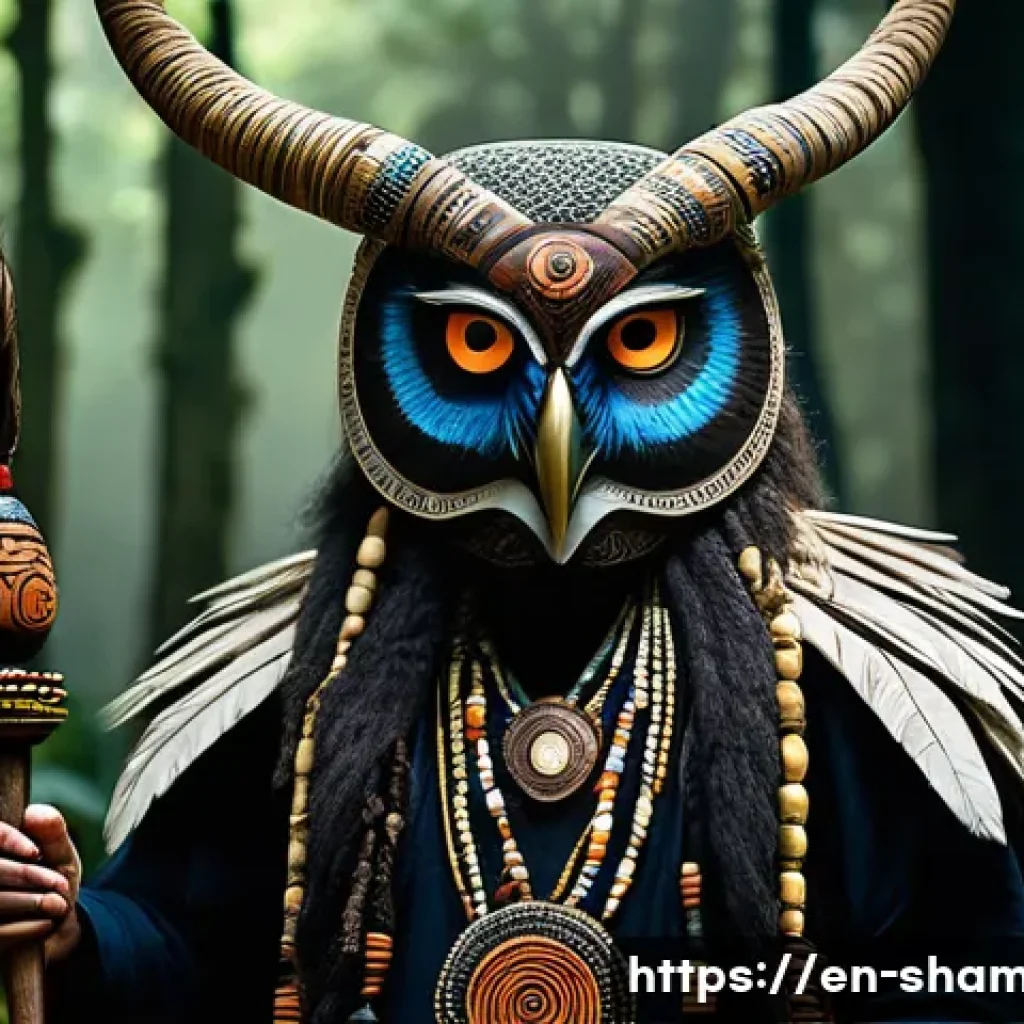
The curator explained how such masks were used by shamans to embody animal spirits during rituals, allowing them to literally *become* the spirit and bring its wisdom or healing energy into the community.
It truly hit me then how profoundly these traditions see art not as an *imitation* of life, but as an *extension* of spiritual power, a way to actually manifest and interact with the unseen forces that shape our existence.
It’s a powerful testament to the idea that some art isn’t just seen; it’s experienced, it’s felt, and it can even transport you to other dimensions of understanding.
The Echoes of Trance States
It’s fascinating how many of the artistic elements we admire today, like abstract patterns or vibrant, non-realistic depictions, have deep roots in the visual experiences of altered states of consciousness.
Shamans, through drumming, chanting, or sacred plants, would enter trance states to journey into the spirit world, and the visions they encountered often found their way into their art.
These aren’t just random designs; they are visual maps of spiritual landscapes, often featuring geometric patterns, swirling lines, and zoomorphic figures that represent powerful spirit allies or challenging entities encountered on their journeys.
When you look at these pieces, you’re not just seeing an image; you’re glimpsing a fragment of another reality, a window into the shaman’s profound inner experience.
Creating Portals and Pathways
For many shamanic cultures, certain artworks are more than just representations; they are active portals. A carefully crafted drum might be believed to carry the rhythmic heartbeat of the cosmos, enabling the shaman to ascend or descend through spiritual planes.
A ceremonial rattle adorned with feathers and beads isn’t just a noise-maker; it’s a living instrument believed to call spirits and purify space. What always gets me is the intention behind these creations.
They aren’t made for gallery display or critical acclaim, but forged with a specific, potent purpose: to open pathways, invite presences, and facilitate interaction with forces beyond human comprehension.
It’s a completely different paradigm for understanding what art can *do*.
The Ritual Canvas: Crafting Transformation Through Creativity
Honestly, when I started digging into this, I realized that art in shamanic contexts is rarely just “art for art’s sake.” It’s almost always intertwined with ritual and the deep human desire for transformation.
Think about it: a ritual is essentially a structured act designed to bring about a change, whether it’s healing, protection, or a successful hunt. And often, art is right there at the heart of it, serving as both a tool and a symbolic representation of that transformation.
I’ve read accounts of Indigenous Australian peoples using intricate sand paintings, created painstakingly for ceremonies, only to be swept away at the end of the ritual.
The impermanence isn’t a flaw; it’s part of the process, mirroring the transient nature of life and the continuous cycle of creation and dissolution. What really resonates with me is how this process of creation itself, the act of making, becomes a meditative, transformative journey for the artist or the community.
It’s not just the finished product that matters, but the energy and intention woven into every stroke, every carving, every stitch. It’s about bringing spirit into matter, and in doing so, transforming both.
Symbolic Gestures and Sacred Objects
Every line, every color, every material in shamanic art carries profound symbolic weight. A particular feather might represent the swiftness of an eagle spirit, a certain stone might embody the grounded strength of the earth, and specific colors can denote different energies or directions.
These aren’t arbitrary choices; they are carefully selected elements imbued with meaning, understood by the community. When a shaman creates a ritual object, say a power object or an amulet, they aren’t just assembling materials; they are weaving together these layers of symbolism, invoking the inherent power of each component.
It’s a language of the soul, spoken through form and color, intended to activate certain energies and bring about desired outcomes.
The Art of Healing and Protection
Perhaps one of the most compelling aspects of shamanic art is its direct link to healing and protection. Throughout history, shamans have crafted objects to ward off illness, soothe emotional pain, or guard against malevolent forces.
Think of the elaborate healing blankets woven by some Native American tribes, each pattern a prayer for well-being, each thread a stitch of intention.
Or consider the protective amulets worn by individuals in various cultures, believed to deflect negative energy. From my own exploration, I’ve come to understand that the artistic process itself, whether for the shaman or for the community observing the art’s creation and use, can be deeply therapeutic, fostering a sense of connection, purpose, and hope.
It’s art that doesn’t just hang on a wall; it actively participates in the well-being of a person or a group.
Whispers of the Ancestors: Storytelling Through Indigenous Art
Honestly, few things captivate me more than how art serves as a living library for cultures that traditionally relied on oral traditions. For countless indigenous communities around the globe, art isn’t just aesthetically pleasing; it’s the very fabric of their history, their cosmology, and their moral compass.
When you look at an ancient Aboriginal dreamtime painting from Australia, for instance, you’re not just seeing dots and lines; you’re seeing an entire narrative unfold, depicting creation stories, ancestral journeys, and the intricate laws of the land.
It’s truly incredible how these visual stories transmit complex knowledge across generations, keeping traditions alive even when written language isn’t the primary mode of record-keeping.
I remember chatting with an artist once, who was explaining the deep significance of totem poles in Pacific Northwest Indigenous cultures. Each figure carved into the pole represented a specific ancestor, a significant event, or a spirit animal, all weaving together a genealogical and spiritual history of a family or clan.
It’s a powerful reminder that art can be so much more than decoration; it can be history, identity, and prophecy all rolled into one.
Visual Narratives of Creation
Many indigenous art forms are essentially visual manifestations of creation myths and cosmological understandings. These artworks don’t just illustrate stories; they embody them, making the sacred narratives tangible and accessible.
Whether it’s the intricate patterns of a Navajo rug telling a story of the cosmos, or the vibrant murals found in ancient Mayan temples depicting the birth of gods and humanity, these pieces serve as enduring testaments to a people’s foundational beliefs.
They act as mnemonic devices, helping communities remember and transmit their origins and their place in the universe. It’s like their entire worldview is painted right there for everyone to see and learn from.
Documenting Journeys and Encounters
Beyond creation, shamanic and indigenous art frequently documents the journeys, visions, and encounters of shamans and community members with the spirit world.
These aren’t just abstract designs; they are often detailed, symbolic maps of spiritual expeditions, illustrating where the shaman traveled, what spirits they met, and what knowledge they gained.
Think of the detailed petroglyphs found in various parts of the world, often depicting human-animal figures, geometric patterns, and celestial bodies.
Many scholars believe these are direct records of shamanic visions, offering us a glimpse into the minds and spiritual experiences of ancient practitioners.
It really drives home the point that art was, and still is, a way to make the invisible visible.
Healing Hues: Art as a Therapeutic Shamanic Practice
I’ve always been fascinated by the profound healing potential embedded within creative expression, and nowhere is this more evident than in shamanic traditions.
For shamans, art isn’t just about making something beautiful; it’s an active ingredient in the healing process itself. Think about sand mandalas created by Tibetan monks, painstakingly crafted from colored sand, only to be dismantled once complete.
The creation itself is a meditation, a prayer, a focus of healing energy. And the dismantling symbolizes impermanence and the release of attachment. I’ve personally experimented with art-making during times of stress, and I can tell you, there’s something incredibly cathartic about it – a way to externalize inner turmoil and transmute it.
Shamans take this to a whole new level, using specific colors, shapes, and materials not just for aesthetic reasons, but for their energetic properties, believing they can draw out illness, restore balance, or mend fractured spirits.
It’s a holistic approach where the act of creating, the finished piece, and the recipient’s interaction with it all contribute to well-being.
Art as a Diagnostic Tool
In some shamanic practices, art can even serve as a diagnostic tool. Shamans might ask a person seeking healing to draw or create something, believing that the resulting artwork can reveal hidden spiritual or emotional imbalances.
The imagery, colors, and overall composition might offer clues to the root cause of an ailment that words alone cannot express. It’s like the soul speaks through the hands, giving the shaman a deeper insight into the client’s inner landscape.
I find this aspect particularly powerful because it emphasizes a non-verbal understanding of distress and healing.
Ceremonial Objects for Restoration
Many ceremonial objects crafted by shamans are specifically designed to aid in spiritual and physical restoration. These could be beautifully carved staffs, adorned with symbols of healing spirits, or meticulously woven baskets used to hold sacred herbs and offerings.
The intention behind their creation is paramount; each element is chosen and imbued with the power to mend, protect, and revitalize. When these objects are used in a healing ceremony, they become focal points for channeling beneficial energies, helping to re-align a person’s spirit and bring them back into harmony.
It’s a testament to the idea that beauty and purpose can converge for profound good.
Modern Mystics: Contemporary Artists Reclaiming Ancient Wisdom
You know, it’s easy to think of shamanic art as something ancient, confined to history books or ethnographic museums. But honestly, what’s really exciting is seeing how contemporary artists are actively engaging with and reinterpreting these ancient traditions in incredibly powerful ways.
They’re not just copying old forms; they’re channeling the *spirit* of shamanism into modern expressions, often addressing pressing issues like ecological crises, social justice, and our collective spiritual yearning.
I’ve come across installation artists who create immersive environments that mimic a shamanic journey, using light, sound, and interactive elements to transport viewers into altered states.
Then there are performance artists whose work directly evokes ritualistic practices, blurring the lines between art and sacred ceremony. It’s like they’re recognizing that the fundamental human need for connection to the unseen, for meaning beyond the mundane, hasn’t gone away – it’s just looking for new outlets.
These artists are, in a way, modern shamans themselves, guiding us to new perceptions and helping us reconnect with deeper truths in a world that often feels disconnected.
Reinterpreting Archetypes and Symbols
Contemporary artists often delve into universal archetypes and symbols found across shamanic traditions, giving them new life and relevance for today’s audience.
We see artists exploring the symbolism of animal spirits, the significance of sacred geometry, or the transformative power of the mask, but through a distinctly modern lens.
They might use industrial materials, digital media, or unconventional canvases, yet the underlying message taps into that primal human connection to the spiritual realm.
It’s a beautiful fusion of ancient wisdom with cutting-edge creativity, showing us that these timeless themes are still incredibly potent and meaningful.
Art as Environmental Activism
A particularly compelling area is how contemporary artists are using shamanic principles to engage in environmental activism. Many indigenous shamanic traditions emphasize a deep, reciprocal relationship with nature, viewing all living things as interconnected and sacred.
Artists today are tapping into this wisdom, creating works that highlight ecological destruction, celebrate the natural world, and advocate for its protection.
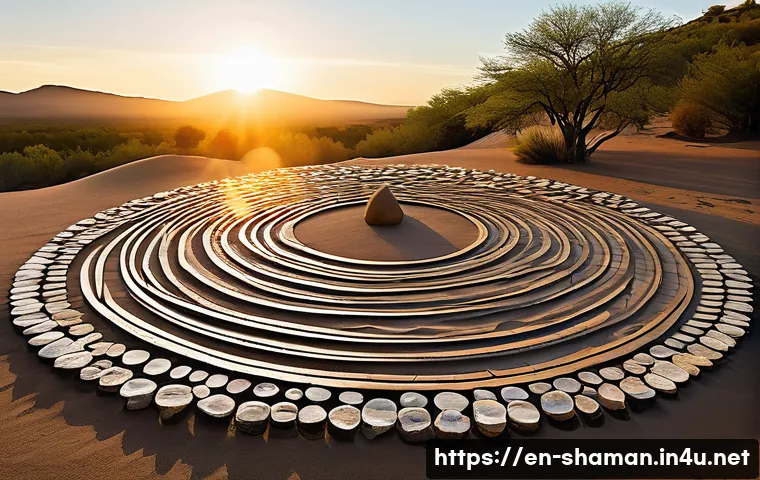
They might create land art that interacts directly with the environment, or performances that evoke a sense of spiritual communion with nature. It’s a powerful way to awaken people to their inherent connection to the earth and inspire a more conscious, respectful way of living.
Beyond the Physical: Art’s Role in Spiritual Awakening
Okay, so let’s get real for a moment. Have you ever stood in front of a piece of art that just absolutely *moved* you? Not just aesthetically, but in a way that felt like a shift inside, a glimpse of something profound?
That, to me, is where art truly transcends the physical and steps into the realm of spiritual awakening. Shamanic art, in particular, is designed for this very purpose – to facilitate a deeper awareness, to crack open our ordinary perception, and invite us into a more expansive understanding of reality.
It’s not about being told what to believe; it’s about being *shown* a possibility, a different way of seeing and experiencing the world. I’ve found that the best art, whether ancient or modern, often acts as a catalyst for introspection, prompting us to ask bigger questions about ourselves, our purpose, and our connection to the cosmos.
It’s like these pieces hold a subtle energy, a vibrational resonance that can nudge us toward a more awakened state, helping us remember parts of ourselves we might have forgotten or ignored.
The Contemplative Power of Imagery
Shamanic art, with its often symbolic and non-literal imagery, encourages a contemplative mode of engagement. Instead of simply depicting reality, it invites us to look deeper, to interpret, and to feel.
This act of contemplation itself can be a powerful spiritual practice, allowing us to quiet the mind and connect with our intuition. The repetition of patterns, the evocative use of color, or the intricate details in a piece can draw us in, almost like a visual mantra, leading us into a meditative state where new insights can emerge.
It’s art that doesn’t demand; it invites.
Igniting Inner Journeys
Just as traditional shamanic art depicts spirit journeys, it can also *ignite* inner journeys within the viewer. By engaging with these powerful images and objects, we can be inspired to explore our own inner landscapes, to connect with our own dreams, visions, and subconscious realms.
It’s like the artwork provides a map or a key, encouraging us to embark on our own quests for self-discovery and spiritual understanding. I believe this is one of the most incredible gifts of art rooted in spiritual traditions: it empowers us to become our own explorers of the unseen.
| Art Form/Tradition | Shamanic/Spiritual Purpose | Artistic Elements Often Used |
|---|---|---|
| Indigenous Rock Art | Recording trance visions, communicating with spirits, depicting sacred sites, transmitting ancestral knowledge. | Geometric patterns, zoomorphic figures, anthropomorphic forms, hand stencils, abstract symbols. |
| African Masks | Embodying spirits, facilitating transformation in rituals, ancestor veneration, healing ceremonies. | Exaggerated features, animalistic attributes, complex geometries, diverse materials (wood, shells, fibers). |
| Native American Sand Paintings | Healing rituals, spiritual cleansing, creating sacred spaces, illustrating creation myths. | Intricate patterns, symbolic figures, vibrant natural pigments, ephemeral nature. |
| Tibetan Thangka Paintings | Meditation aids, visualizing deities, spiritual instruction, transmitting Buddhist cosmology. | Detailed iconography, specific color palettes, precise geometric grids, portrayal of enlightened beings. |
| Contemporary Installation Art | Creating immersive ritualistic experiences, prompting introspection, environmental activism, reinterpreting ancient archetypes. | Multi-sensory elements (light, sound, scent), interactive components, mixed media, site-specific work. |
The Power of Symbolism: Decoding Shamanic Art’s Hidden Meanings
Whenever I look at shamanic art, one of the first things that strikes me is its incredibly rich and layered symbolism. It’s like every line, every shape, every color is whispering a secret.
Unlike much of Western art, which sometimes aims for literal representation, shamanic art often operates in a realm of metaphors and allegories, with each symbol carrying generations of meaning.
It’s not just about what you see on the surface; it’s about what you *understand* lies beneath. For example, a serpent might not just be a snake; it could symbolize transformation, healing, or the cycle of life and death, depending on the cultural context.
A bird might represent freedom, communication with the heavens, or a shaman’s ability to fly in spirit. I’ve spent hours just trying to decode some of these intricate visual languages, and it’s always a humbling experience because it reminds you how deeply intelligent and nuanced these traditional belief systems are.
They’ve found a way to compress vast amounts of spiritual knowledge into compact, potent visual forms, essentially creating a sacred shorthand for the universe.
Understanding the Visual Language
To truly appreciate shamanic art, we need to try and understand its visual language, which often differs significantly from what we’re accustomed to. This means moving beyond a purely aesthetic appreciation and diving into the cultural context, the beliefs, and the specific spiritual cosmology from which the art emerged.
Without this understanding, we might miss the profound depth and purpose behind the intricate patterns, the stylized figures, or the seemingly abstract forms.
It’s like trying to read a poem in a language you don’t understand – you might appreciate the sound, but you’ll miss the meaning. So, when I engage with these pieces, I always try to learn about the stories and traditions they represent.
The Personal and Collective Significance
The symbols in shamanic art often hold both personal and collective significance. For an individual shaman, a particular animal symbol might represent their spirit guide, a personal helper that aids them in their journeys.
But for the community, that same animal might also embody a collective ancestor or a foundational myth. This dual layer of meaning allows the art to resonate on multiple levels, speaking to the individual soul while simultaneously reinforcing the shared cultural identity and spiritual framework of the group.
It’s a beautiful testament to how art can simultaneously be deeply personal and universally connective within a specific culture.
Unlocking Inner Realms: Art as a Visionary Tool
One of the most profound aspects of shamanic art, to my mind, is its capacity to act as a visionary tool, not just for the creator but for the observer as well.
It’s not simply passive decoration; it’s an active instrument designed to help us perceive beyond the ordinary. Think of the intricate details on certain ceremonial pipes or the mesmerizing patterns woven into a visionary tapestry.
These aren’t just pretty to look at; they’re often crafted with the intention of drawing the eye and the mind into a deeper, more focused state, almost like a visual meditation.
I’ve personally found that spending time with certain pieces of art, especially those with a clear spiritual lineage, can actually shift my own perspective and open me up to new insights.
It’s like the art itself holds a frequency that, when you tune into it, can unlock inner realms of consciousness. Shamans historically used such art – be it masks, costumes, or painted objects – to facilitate their own trance states and spirit journeys, and by extension, they can often serve a similar purpose for us, acting as guides on our own personal explorations of the unseen.
Inducing Altered Perceptions
Many forms of shamanic art are intentionally designed to induce altered perceptions. The rhythmic patterns, vibrant colors, and sometimes unsettling imagery can bypass the logical mind and engage directly with our subconscious.
This is why you often see psychedelic or dream-like qualities in visionary art from various shamanic traditions; these are not simply stylistic choices but deliberate attempts to mirror and even evoke the experiences of non-ordinary reality.
It’s a testament to the sophistication of these ancient practices, understanding that art can be a powerful tool for shifting consciousness and expanding our sensory experience beyond the everyday.
Art as a Focus for Meditation and Introspection
Beyond its role in ritual, shamanic art frequently serves as a powerful focus for meditation and introspection. Imagine a solitary individual gazing upon a meticulously carved figure or a beautifully painted scroll.
The artwork becomes a focal point, drawing the mind away from distractions and into a state of deep concentration. This isn’t just about admiring craftsmanship; it’s about engaging with the spiritual essence imbued within the piece.
Through this sustained attention, the viewer can connect with the symbols, archetypes, and energies represented, fostering a profound sense of inner peace, clarity, and spiritual connection.
It’s like the artwork is a silent teacher, guiding us toward deeper self-awareness.
글을마치며
Whew! What a journey we’ve been on, exploring the incredible tapestry woven between shamanic traditions and the vast world of art. It’s truly mind-blowing to consider how deeply intertwined these realms are, far beyond what many of us initially imagine. From ancient cave paintings that spoke directly to the spirit world to contemporary installations that challenge our perceptions and ignite inner voyages, art has always been, and continues to be, a potent vessel for spiritual expression, healing, and cultural identity. It constantly reminds me that the magic isn’t just in what we see, but in the unseen forces and profound intentions woven into every single creation, connecting us all to something much larger than ourselves.
알아두면 쓸모 있는 정보
1. Engaging with Indigenous Art Ethically: When you encounter indigenous art, whether in a museum, gallery, or online, take a moment to understand its cultural context. Research the artists, the community it comes from, and the meanings behind the symbols. Support indigenous artists directly through fair trade initiatives or reputable galleries that prioritize ethical practices, ensuring your appreciation contributes positively to the communities themselves. This mindful approach truly deepens your connection and respect for the art.
2. Exploring Contemporary Shamanic Art: Keep an eye out for modern artists who are integrating shamanic themes into their work. Many artists today are using diverse mediums like digital art, performance, and immersive installations to explore concepts of ritual, ecological spirituality, and transformation. Following contemporary art blogs, visiting local galleries, or searching online art platforms can lead you to incredibly powerful and thought-provoking pieces that bridge ancient wisdom with current artistic expressions, pushing the boundaries of what ‘shamanic art’ means in our modern world.
3. Integrating Creativity into Your Spiritual Practice: You don’t need to be a professional artist to tap into the power of creative expression for spiritual growth. Simple acts like journaling with imagery, creating a personal altar with found objects, or even doodling during meditation can open up profound insights and foster a deeper connection to your inner world. I’ve personally found that even just mindfully arranging elements in my home or garden can be a meditative, soul-nourishing practice, bringing a sense of sacredness to everyday life.
4. Dive Deeper into Anthropological Studies: If this topic truly sparks your curiosity, consider exploring anthropological texts, documentaries, and academic resources focused on shamanism, ethnobotany, and the art of indigenous cultures. Reputable institutions often provide online courses or open-access materials that can offer incredible depth and scholarly perspectives on these traditions. It’s a fantastic way to broaden your understanding and appreciate the meticulous research that underpins our knowledge of these profound practices.
5. Attend Cultural Events and Workshops: Look for opportunities to engage with indigenous cultures directly, such as cultural festivals, educational workshops, or presentations by community elders (where appropriate and respectfully offered). These experiences can provide invaluable firsthand insights into the living traditions and the enduring significance of their art forms, often offering a much richer, more nuanced understanding than books or articles alone. Always approach such opportunities with an open heart and a deep sense of respect for the knowledge being shared.
중요 사항 정리
The journey through shamanic art reveals its profound dual role: it’s not merely decorative, but a dynamic conduit for spiritual communication and deep personal or communal transformation. Shamans across time have harnessed artistic expression to bridge the seen and unseen, crafting objects that are imbued with powerful intentions for healing, protection, and visionary exploration. It’s truly amazing how these creations become living extensions of spiritual power.
What really sticks with me is how indigenous art functions as a living archive, conveying intricate histories, cosmologies, and moral frameworks across generations. These visual narratives, whether in rock art, masks, or ceremonial objects, serve as potent cultural anchors, ensuring the wisdom of ancestors continues to guide and inform future generations. It’s a testament to the enduring power of visual storytelling.
Furthermore, the therapeutic potential of art within shamanic contexts is undeniable. From diagnostic creations to healing artifacts, art actively participates in restoring balance and well-being. It highlights a holistic approach where creativity, intention, and ritual converge to mend spiritual and physical ailments, proving that art can indeed be a powerful form of medicine for the soul.
Lastly, it’s incredibly exciting to witness contemporary artists drawing inspiration from these ancient wellsprings, reinterpreting shamanic archetypes and symbols for modern audiences. They’re not just preserving history; they’re actively shaping new forms of spiritual inquiry, using art to address current global challenges like environmental stewardship and collective spiritual awakening. It shows how timeless these principles truly are, continually evolving to resonate with our present-day search for meaning and connection.
Frequently Asked Questions (FAQ) 📖
Q: How exactly do these ancient shamanic traditions continue to shape and inspire contemporary art today?
A: Oh, this is such a fantastic question, and one I’ve pondered deeply on my own explorations! You might think of shamanism as something ancient, tucked away in history books, but what I’ve discovered, and what I believe many artists intuitively tap into, is its enduring spirit.
It’s not about direct replication of old rituals, but rather the essence of what shamanism represents. Think about it: shamanic practices are fundamentally about seeking connection to the unseen, healing, transformation, and communicating with the natural world.
When I look at contemporary art, especially pieces that truly move me, I often see artists wrestling with these very same themes. For instance, many contemporary sculptors and installation artists are creating immersive environments that evoke a sense of ritual space, inviting viewers to experience a shift in perception, much like a shamanic journey might.
I’ve personally visited exhibitions where the use of natural materials, repetitive sounds, or even specific light installations felt profoundly linked to creating a sacred atmosphere.
It’s about artists using their medium to explore altered states of consciousness, to express a deep ecological spirituality, or to portray the interconnectedness of all living things – all hallmarks of a shamanic worldview.
It’s a reinterpretation, a modern echo of those powerful ancient impulses, translated into a language that resonates with our current anxieties and hopes.
It’s truly fascinating to witness how artists continue to channel this ancient wisdom in such fresh and compelling ways, making the unseen tangible once more.
Q: What are some specific elements or recurring motifs in art that you believe clearly point back to shamanic influences?
A: This is where it gets really exciting, because once you start looking, you see these echoes everywhere! From my own perspective, having spent so much time immersed in this topic, certain visual and thematic elements just scream “shamanic inspiration” to me.
One of the most prominent is the depiction of animal spirits or hybrid human-animal figures. In shamanic traditions globally, animals are often seen as guides, teachers, or manifestations of spiritual power.
When you see contemporary art featuring creatures that blend human and animal forms, or pieces that seem to embody the raw energy of the wild, you’re often witnessing an artist tapping into that primal connection.
Think about powerful, totemic sculptures or paintings that feel like they’re channeling an ancient, wild spirit. Another major one is the theme of transformation or metamorphosis.
Shamanism is all about journeys and changes – from the physical to the spiritual and back again. Art that explores fluidity, change, and the breaking down of boundaries, whether through surreal imagery, performance art where bodies transform, or even abstract works that evoke energetic shifts, often draws from this wellspring.
I’ve seen some incredible performance pieces where artists physically embody different states or identities, which immediately brings to mind ritualistic transformations.
Finally, the use of symbolism and abstraction to represent spiritual realities is huge. Shamanic art often isn’t literal; it uses symbols, patterns, and non-representational forms to communicate complex spiritual ideas or visions.
Many modern abstract artists, without perhaps explicitly stating it, are engaging in a similar process – creating forms and colors that resonate on a deeper, non-verbal level, hinting at profound truths beyond rational understanding.
It’s like they’re painting the invisible, just as ancient shamans sought to make their visions manifest.
Q: Beyond the historical and artistic connections, why is understanding this relationship between shamanism and art particularly relevant for us in today’s world?
A: Oh, this is the million-dollar question for me! It’s not just an academic curiosity; I genuinely believe this connection offers profound insights for our modern lives.
In our increasingly fast-paced, often disconnected world, many of us are searching for meaning, for connection to something larger than ourselves, and for ways to heal from collective anxieties.
What I’ve personally found so powerful is that both shamanic practices and meaningful art provide pathways to exactly that. Shamanism, at its core, emphasizes interconnectedness – with nature, with community, with our inner selves, and with the spiritual dimensions.
Art that draws from this wellspring isn’t just decoration; it often serves as a mirror, reflecting our deepest concerns and aspirations, or as a portal, inviting us to step outside our ordinary perception.
For me, seeing an artist channel these ancient energies into a contemporary piece helps us reconnect with our own primal roots and our place within the larger web of life.
It can foster a deeper ecological awareness, reminding us of our responsibility to the planet. It can also offer avenues for personal healing and introspection, much like the therapeutic aspects of traditional rituals.
In a world craving authenticity and spiritual nourishment, this art serves as a powerful reminder that there are other ways of knowing and experiencing reality beyond the purely material.
It encourages us to look deeper, to feel more, and to remember that creativity itself can be a sacred act, a bridge between worlds. That, to me, is incredibly empowering and deeply relevant right now.