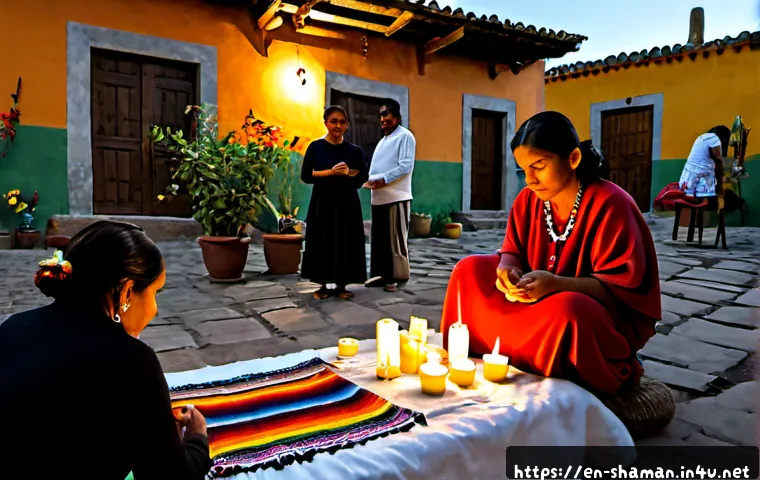
Purpose, practitioner transparency, and your personal boundaries matter more than promises when considering a shamanic ceremony or protective talisman.
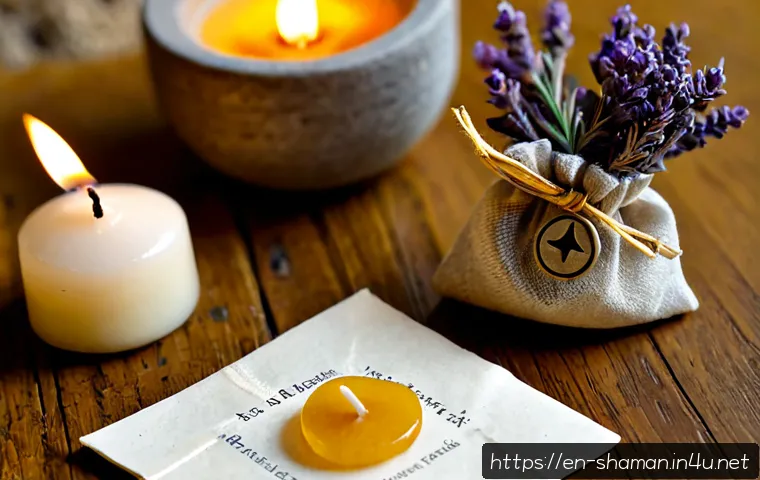
A respectful provider can explain what they offer, what it costs, and what it cannot guarantee. Ceremonies, consultations, and symbolic objects may carry cultural or personal meaning, but they are not substitutes for medical, legal, financial, or mental-health care.
Before paying for a spiritual service or ritual material, compare the purpose, process, privacy expectations, and total fee structure. The best choice is usually the one that feels culturally appropriate, clearly explained, and free from fear or pressure.
At a Glance
- Choose by purpose: cultural learning, reflection, a blessing, or a symbolic personal item are different goals.
- Ask for transparency: confirm the process, materials, privacy, and all expected fees before you commit.
- Walk away from pressure: guaranteed outcomes, fear-based claims, and escalating payment requests are warning signs.
| Option | Expected Purpose | Questions to Ask | Cost Factors | Warning Signs |
|---|---|---|---|---|
| Ritual ceremony | Prayer, blessing, cleansing, reflection, or community participation depending on the tradition | What happens, who participates, what are the rules, and what is included? | Preparation, materials, travel, venue, participation, and follow-up | Claims that one ceremony will guarantee a life outcome |
| Protective talisman | A symbolic object with spiritual or protective meaning for its user | How is it prepared, handled, and used within this tradition? | Materials, preparation, customization, and delivery where applicable | Pressure to buy multiple items to prevent a claimed danger |
| Private spiritual consultation | Personal reflection, discussion of tradition, or guidance within stated boundaries | What is the scope, how long is the session, and what follow-up is offered? | Session format, time, travel, and any clearly disclosed follow-up | Demands to isolate from family, professionals, or trusted support |
What These Practices Can Mean—and What They Cannot Promise
Shamanic practices vary widely across cultures, communities, practitioners, and religious traditions. A ceremony may include prayer, music, symbolic offerings, cleansing, blessings, or community participation. Its meaning depends on the tradition and the people involved, so it is important not to assume that every service follows the same process.
Ceremony, Consultation, and Symbolic Object: The Practical Difference
A ritual ceremony is generally an event or process. A spiritual consultation is a conversation or private meeting with a practitioner. A protective talisman is an object intended to hold symbolic, spiritual, or protective meaning. One person may value a ceremony for reflection, while another may prefer a small symbolic item that can be kept privately.
Respecting Cultural and Religious Context
Before booking a ritual service or buying a talisman, ask whether the practice is appropriate for visitors or people outside that tradition. Some ceremonies have participation rules, handling customs, or privacy expectations. A respectful practitioner should be able to explain the context without forcing you to make an immediate decision.
Why Guaranteed Results Are a Warning Sign
No provider can reliably promise a specific health, financial, relationship, safety, or spiritual outcome. Be careful if a seller presents a talisman as certain protection or says a ceremony will solve a serious problem. Meaningful is not the same as guaranteed.
Comparing a Ritual Ceremony, a Protective Talisman, and a Private Spiritual Consultation
The most useful comparison is not “which one is strongest?” but “which one matches my reason for looking?” Start with a clear goal, then compare the level of participation, privacy, and financial commitment you are comfortable with.
Best Fit by Goal: Cultural Learning, Reflection, Blessing, or Symbolic Protection
If your main interest is cultural learning, seek clear educational context and participation guidance. If you want personal reflection or a blessing, a ceremony or consultation may be more relevant. If you are looking for a meaningful gift or a private reminder of an intention, a talisman may be the simpler option. In each case, avoid treating a spiritual service as a replacement for practical support.
Time, Privacy, Materials, and Follow-Up Considerations
Ask whether a ceremony is private or community-based, whether you may bring someone, and whether photography or recording is allowed. For a talisman, ask about appropriate handling and whether any instructions come from the tradition itself. For a consultation, clarify whether the fee covers one meeting only or includes any follow-up communication.
Cost Factors to Ask About Before Booking or Buying
Exact fees, duration, and availability must be confirmed with the specific practitioner or seller. A transparent quote should explain relevant factors such as ritual materials, travel, preparation, time, delivery, and follow-up. Ask whether the stated amount is the full expected cost. If payment expectations remain vague, pause before proceeding.
How to Evaluate a Practitioner or Seller Before You Commit
A trustworthy choice begins with clear information, not dramatic promises. You do not need to prove belief or disclose highly personal details simply to ask practical questions about a spiritual consultation service or ritual item.
Questions About Background, Process, Boundaries, and Fees
Ask how the practitioner describes their background, tradition, and role. Ask what the process involves, what you are expected to do, and what information will remain private. It is also reasonable to ask whether they can explain their fees before the ceremony, consultation, or talisman purchase is confirmed.
Clear Pricing Versus Open-Ended Payment Pressure
Clear pricing does not require every situation to be identical. It does mean you should understand the stated service, included materials, and possible additional costs before agreeing. Be cautious if a provider repeatedly introduces new required payments after you have already paid, especially when those requests are tied to alarming claims.
Red Flags: Fear, Urgency, Isolation, and Claims of Certainty
Step back if someone says you are in immediate spiritual danger unless you pay now, insists that only they can help, or tells you not to consult family, medical professionals, legal advisers, or mental-health support. These tactics reduce your ability to make a calm decision. You can take time, seek a second opinion, or decline.
Practical Preparation and Common Mistakes to Avoid
A little preparation can make the experience more respectful and less stressful. Keep your expectations grounded, know your limits, and confirm logistics in advance.
Set a Personal Intention Without Expecting a Guaranteed Outcome
Your intention might be remembrance, reflection, gratitude, comfort, or learning. Keep it simple and personal. A ceremony or talisman may have symbolic value, but it cannot confirm a particular future result.
Confirm Participation Rules, Materials, Photography, and Privacy
Before attending, ask what to wear, whether materials are supplied, whether guests are allowed, and whether any part of the event must remain private. Do not assume that an item, image, prayer, or ceremony is available to copy or share outside its proper setting.

Keep Health, Legal, Financial, and Safety Decisions Separate From Spiritual Advice
If you are managing illness, grief, anxiety, debt, a dispute, or a major safety concern, practical professional support remains important. Spiritual practices may be personally meaningful alongside appropriate care, but they should not replace medical, legal, financial, or mental-health services.
Which Option Fits Your Situation?
Your situation can help narrow the choice without turning spirituality into a purchase driven by anxiety.
If You Are Learning About a Tradition
Look for cultural context, respectful explanations, and clear participation boundaries. A learning-focused experience may be more appropriate than requesting a private ritual meant for insiders or a purpose you do not fully understand.
If You Want a Meaningful Symbolic Item
A talisman may suit you if you want a personal object with symbolic meaning. Ask what the item represents, how it is meant to be handled, and whether the seller can describe its preparation without making certainty-based claims. Review the materials and total purchase conditions on the provider’s official information page before ordering.
If You Are Facing Grief, Anxiety, or a Major Decision
Comfort and reflection can matter during difficult periods. Still, avoid providers who use your vulnerability to create urgency. For serious emotional distress or urgent life decisions, consider appropriate professional and trusted personal support in addition to any spiritual practice you choose.
Choosing a Practitioner or Talisman: Final Comparison Checklist
Before booking a ritual service, arranging a consultation, or buying a protective talisman, check these points:
- Purpose: Do I want learning, reflection, a blessing, or a symbolic object?
- Cultural fit: Has the provider explained the tradition and participation boundaries respectfully?
- Transparency: Do I understand the process, materials, privacy rules, and expected total fee?
- Budget: Can I decide without being pushed into open-ended or escalating payments?
- Comfort level: Can I ask questions freely and take time to decide?
- Support needs: Am I keeping medical, legal, financial, and mental-health decisions separate?
If the answers are unclear, wait. Compare another practitioner, seek cultural education first, or choose a different form of support. For service details, material descriptions, and booking conditions, check the provider’s official page before making payment.
Closing Thoughts
A shamanic ceremony or protective talisman can hold cultural, spiritual, or personal meaning. The right decision is not based on a promise of certainty; it is based on clear purpose, respectful context, transparent pricing, and your ability to maintain healthy boundaries. Take your time, ask direct questions, and choose only what you understand and feel comfortable with.
Useful Things to Know
1. Traditions differ, so the same word may describe very different practices in different communities.
2. A symbolic object may have handling rules that should be explained by the relevant practitioner or seller.
3. Privacy, photography, and participation expectations should be confirmed before a ceremony begins.
4. A calm provider will usually allow questions and time for consideration.
Important Notes
Individual outcomes from ceremonies, consultations, or talismans cannot be confirmed in advance. Training, lineage, cultural authorization, fees, materials, duration, and availability require direct verification with the individual provider. Spiritual services and ritual items are not replacements for medical, legal, financial, safety, or mental-health care.
Frequently Asked Questions
Q1. How much should a shamanic ceremony or protective talisman cost?
A1. There is no single amount because practices, materials, preparation, travel, and follow-up can differ. Ask for a clear explanation of the expected fee and any possible additional costs before booking or buying. Avoid open-ended payment pressure or claims that more payments are necessary to prevent harm.
Q2. How can I tell whether a spiritual practitioner is trustworthy?
A2. Look for clear explanations of their process, boundaries, fees, and cultural context. A practitioner should not guarantee outcomes, use fear to rush you, demand secrecy, or discourage appropriate professional support. If their background or claims cannot be explained clearly, consider another option.
Q3. Are protective talismans safe to use alongside medical or mental-health treatment?
A3. A talisman may be used as a personal or symbolic object, but it should not replace medical or mental-health treatment. Keep treatment decisions with qualified professionals, and seek appropriate support for urgent health or safety concerns.