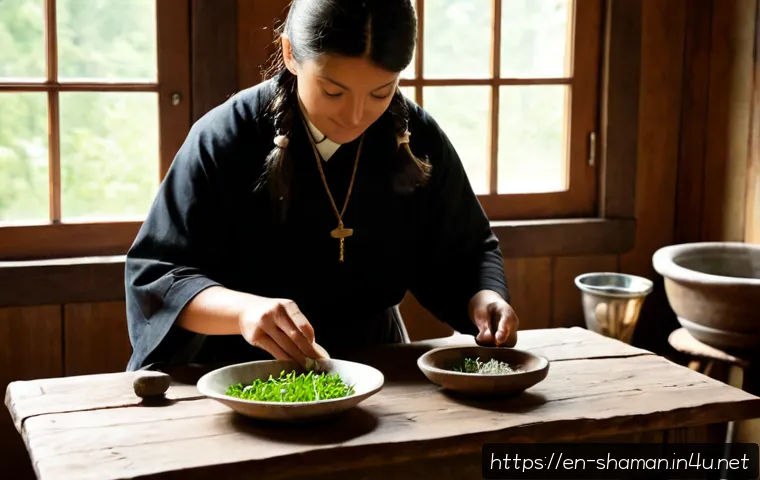
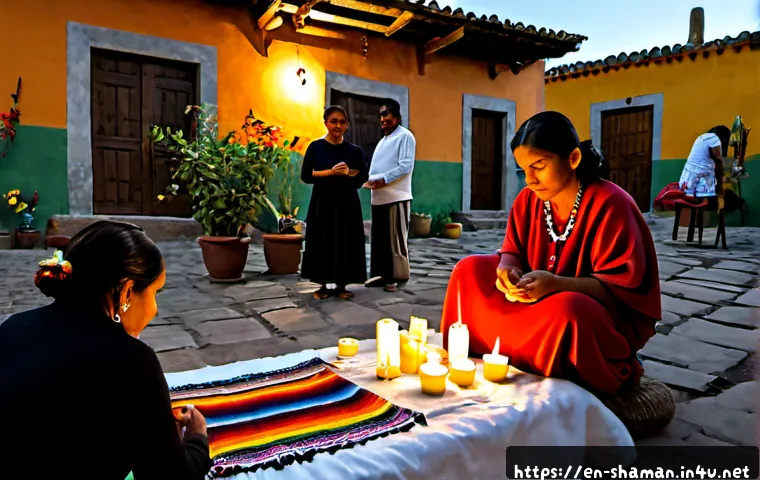
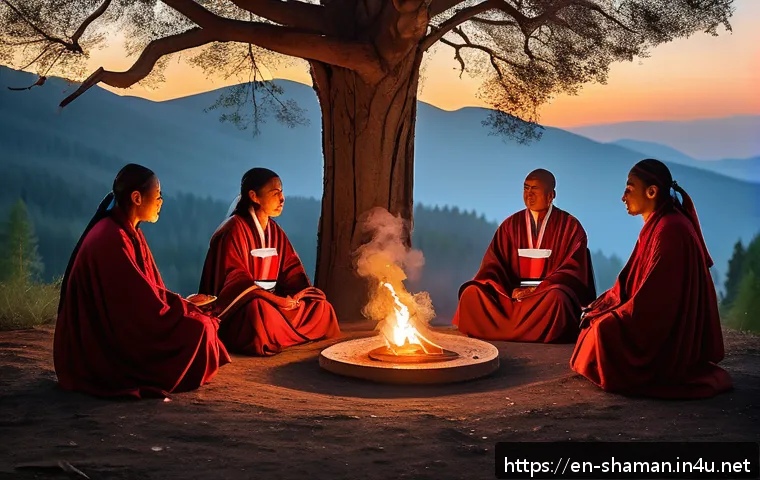
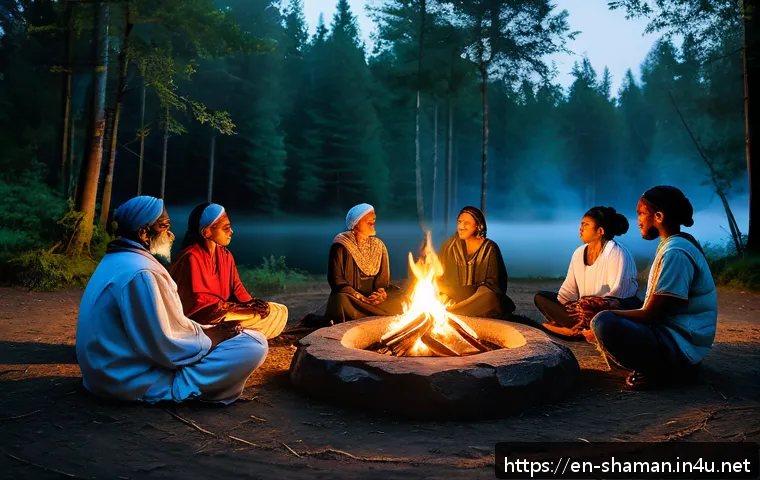
Spiritual ceremonies can encourage care for land, water, and community, but environmental messaging must respect each tradition’s authority. Use this guide to plan low-waste, permission-based practices.

A spiritual ceremony can carry an environmental message when it respects the authority of the tradition involved and leads to a practical act of care.
The safest approach is to learn from values such as reciprocity and stewardship without reproducing community-specific rituals, symbols, chants, or sacred materials without permission.
For organizers, this often means choosing reusable event supplies, responsible sourcing, waste-reduction services, and clear cleanup plans. If a public event refers to a living cultural tradition, cultural consultation may be more appropriate than self-led interpretation.
The goal is not to make a ceremony look “authentic,” but to make care for land, water, people, and community visible in a responsible way.
At a Glance
- Learn from a tradition by recognizing its values and context; do not reproduce ceremonial elements without permission.
- An environmental message is more credible when it includes a practical action such as waste reduction, habitat care, water protection, or responsible sourcing.
- Check local rules for fire, smoke, candles, outdoor access, gathering permits, and the collection of natural materials before planning.
| Planning Choice | Lower-Impact Option | What to Check Before Choosing |
|---|---|---|
| Event supplies | Reusable, borrowed, or minimally packaged materials | Durability, sourcing information, packaging, and disposal options |
| Materials | Locally available items obtained with permission | Whether collection is allowed and whether “natural” materials are responsibly sourced |
| Planning format | Self-led reflection focused on universal actions | Whether the event refers to a specific living tradition or community knowledge |
| Public programming | Planning with local partners or qualified cultural consultants | Community relationships, permission, transparency, and appropriate roles |
What a Respectful Environmental Message Can Look Like in a Spiritual Ceremony
Begin with care for place, people, and tradition
A respectful message starts by recognizing that spiritual and shamanic practices are diverse. They do not follow one universal set of beliefs, rituals, or environmental teachings. Many traditions understand people, land, water, animals, and ancestors as connected, but the meaning of those relationships belongs to particular communities.
For an organizer, this means avoiding broad claims such as “all spiritual traditions teach the same environmental lesson.” Instead, begin with the place where the gathering occurs. Ask practical questions: What does this site need? Is there a cleanup issue, a water-protection concern, or a habitat-care project that participants can support? A simple acknowledgment of place can be more responsible than borrowing ceremonial language that is not yours to use.
Turn symbolic meaning into a specific environmental action
Symbolic language becomes more meaningful when it is connected to a real commitment. A gathering focused on water, for example, can include a plan to reduce disposable drink containers, protect nearby water access, or support a locally appropriate cleanup effort. A theme of gratitude for land can be paired with a responsible sourcing policy and a leave-no-trace cleanup plan.
Action gives the message credibility. A ceremony does not need elaborate objects or visual effects to communicate care. Participants can make a household sustainability commitment, sort event waste, bring reusable items, or help restore the site after the gathering. These actions are understandable without presenting borrowed sacred practices as entertainment.
Avoid treating diverse traditions as one practice
Terms such as “shamanic,” “indigenous,” “ancestral,” or “earth-based” can refer to very different beliefs and responsibilities. Do not combine symbols, chants, plants, clothing, or ceremonial objects from unrelated communities into a generic environmental program. Public use of culturally specific elements may require permission, guidance, or collaboration with recognized community knowledge holders.
If you cannot verify whether something is appropriate to use publicly, choose a different approach. Focus on universal actions: quiet reflection, gratitude in your own words, a cleanup commitment, responsible travel, or a conversation about local environmental care.
Compare Low-Impact Ceremony Choices Before You Plan
Reusable, borrowed, and responsibly sourced materials
“Natural” does not automatically mean sustainable. Harvesting, transport, packaging, and disposal can all affect environmental impact. Before purchasing ceremonial supplies, compare reusable options with single-use products and look for clear information about sourcing and packaging.
Useful choices may include borrowed seating, reusable cloths, refillable water containers, durable lighting, and materials that can be stored for future gatherings. When evaluating sustainable event supplies, ask whether the item has unnecessary packaging, whether it can be reused, and what happens after the event.
Be especially careful with plants, stones, feathers, wood, or other materials collected outdoors. Collection may be restricted, and removing materials can affect a site. Do not assume that an item is acceptable simply because it was found in nature.
Local travel, venue access, cleanup, and waste planning
A low-waste event plan includes more than decorations. Consider how participants will travel, whether the venue has waste and recycling facilities, and who will handle cleanup. A nearby accessible venue may reduce unnecessary travel and make it easier to return the area to its original condition.
For outdoor gatherings, confirm land-use permissions before promoting the event. Also plan for food, drink containers, signage, and leftover materials. If your event may create substantial waste, comparing local waste-reduction services or event cleanup support can help clarify what is practical for the venue.
When cultural consultation or event support adds value
Self-led planning can work well for private reflection or a simple action-focused gathering. However, cultural consultation deserves serious consideration when a public event refers to a particular community’s ceremony, knowledge, symbols, or sacred relationship to place.
A qualified facilitator or community-recognized knowledge holder may help clarify what should not be shared, how language should be framed, and whether collaboration is appropriate at all. Professional event support can also be useful when fire safety, outdoor access, waste logistics, or a large group requires more coordination.
Build an Environmental Theme Without Misrepresenting a Tradition
Use universal actions rather than borrowed sacred elements
You can create a meaningful environmental theme without copying a ritual. Invite participants to bring a reusable item, write a personal stewardship commitment, spend time in quiet observation, or join a site cleanup. These actions do not require claiming authority over another community’s traditions.
A respectful format might include a short welcome, a clear statement of the environmental purpose, a practical activity, and a cleanup plan. Keep the language honest. Say that the event is focused on environmental responsibility rather than describing it as a traditional ceremony unless it is genuinely led or authorized by the relevant community.
Ask permission before sharing community-specific knowledge
Permission is not a formality. It helps protect context, relationships, and community authority. Before sharing a chant, symbol, story, plant use, or ceremonial practice, find out whether it is appropriate for public use and who has the right to explain it.
If the answer is unclear, do not fill the gap with online assumptions or commercial products. A respectful alternative is to use general language about care, accountability, and stewardship while directing attention to practical environmental action.
Connect land stewardship to measurable commitments
Environmental themes are stronger when participants know what happens next. Build the event around commitments that can be observed: bringing reusable supplies, reducing disposable materials, arranging responsible disposal, protecting water access, or leaving the gathering site clean.
The commitment does not need to be dramatic. It needs to be realistic, relevant to the setting, and clearly communicated. A smaller event with a careful cleanup plan may be more responsible than a larger event built around symbolic displays and disposable products.
Practical Safety and Planning Mistakes to Avoid
Fire, smoke, candles, and local restrictions
Fire, smoke, candles, natural materials, and outdoor gatherings may be subject to local safety rules, land-use permissions, and fire restrictions. Check the relevant official guidance before using any open flame, smoke-producing material, or outdoor ceremonial setup.

Do not treat a spiritual purpose as an exception to safety rules. If fire or smoke is restricted, choose a non-flame alternative that does not create risk or imply that a specific traditional practice is being recreated.
Overharvesting plants, leaving offerings, or creating litter
Leaving objects outdoors can create litter or disturb wildlife, even when the objects appear biodegradable. Food, flowers, fabric, candles, and packaged items may not belong in a natural area. Likewise, harvesting plants without permission can harm the site and may be prohibited.
Leave the place cleaner and less disturbed than you found it. This is a practical environmental principle that works across many settings without requiring borrowed ceremonial elements.
Using commercial “ritual kits” without checking sourcing or context
Commercial ritual kits may use cultural language without explaining sourcing, packaging, environmental impact, or cultural context. A product description alone does not establish that an item is sustainable or appropriate for public use.
Before buying, compare sustainable event suppliers based on transparent sourcing information, packaging choices, and disposal guidance. If the cultural suitability of an item is unclear, choose a simpler supply option that supports the environmental goal without making cultural claims.
Approaches for Private Practice, Education, and Public Events
Private reflection and household sustainability commitments
Private practice can remain simple and personal. Use your own words, reflect on your relationship with your surroundings, and connect the moment to a household action such as reducing waste, using reusable supplies, or improving responsible disposal habits.
There is no need to adopt a name, symbol, or ritual from a tradition that has not invited your participation. Personal reflection can be sincere without presenting itself as someone else’s ceremony.
Classroom and museum discussions with clear cultural context
Educational settings can discuss spiritual ecology, environmental responsibility, and the diversity of cultural traditions. The key is clear context: explain that beliefs and practices are community-specific, avoid reenactments of sacred rituals, and distinguish learning about a tradition from performing it.
Educational activities can focus on ethical questions: How do materials affect ecosystems? What does responsible sourcing mean? Why does permission matter? This approach supports environmental education without treating living traditions as classroom props.
Community events planned with local partners and permissions
For a public event, begin with the location, its rules, and potential local partners. Community organizations, venue managers, waste services, and cultural advisors may each have important knowledge. Clarify responsibilities for access, safety, materials, cleanup, and public communication before the event is announced.
If a local community is connected to the message or place, collaboration should be genuine rather than decorative. Their role, authority, and preferences should shape the event where appropriate.
Selection Criteria and Comparison Summary
Before making a final decision, compare options using these practical checks:
- Purpose: Does the event connect its spiritual or reflective theme to a specific environmental action?
- Cultural context: Are you using only material you have permission to use and accurately explain?
- Materials: Can supplies be reused, borrowed, responsibly sourced, or disposed of appropriately?
- Safety and access: Have you checked local rules for fire, smoke, gathering size, land access, and natural-material collection?
- Waste plan: Is there a clear plan for food, containers, packaging, and site cleanup?
- Support needs: Would a qualified cultural consultant, sustainable event supplier, waste service, or professional facilitator make the plan more responsible?
For a public gathering, review the official guidance and detailed conditions from the relevant venue, supplier, waste service, or qualified facilitator before committing to a format.
In Closing
Environmental messaging in a spiritual setting works best when it is modest, truthful, and connected to action. Respect for tradition includes respecting limits: not every practice is public, transferable, or appropriate to reproduce. Choose a format that protects people, place, and cultural context. Often, a simpler gathering with careful sourcing and cleanup is the strongest expression of care.
Useful Things to Know
1. Context matters: A symbol or practice can have a meaning that is specific to one community.
2. Natural is not automatically low-impact: Check harvesting, transport, packaging, and disposal.
3. Permission protects relationships: Ask before using or sharing community-specific knowledge.
4. Practical stewardship matters: Waste reduction, responsible sourcing, and site cleanup give environmental messages substance.
Important Considerations
This guidance cannot determine whether a particular ceremony, chant, plant, object, or symbol is appropriate for public use. It also cannot confirm local requirements for permits, protected land access, fire restrictions, or collecting natural materials. Verify these details with the relevant community knowledge holders, venue managers, land authorities, and official local guidance.
Frequently Asked Questions
Q1. Can a spiritual ceremony include an environmental protection message?
A1. Yes, when the message respects the tradition involved and is paired with practical environmental care. Examples include reducing event waste, protecting water, using responsibly sourced supplies, or restoring the gathering area. Avoid presenting borrowed sacred elements as your own or treating diverse traditions as one practice.
Q2. When should I hire a cultural consultant for a public sustainability event?
A2. Consider cultural consultation when the event refers to a specific community’s spiritual practices, symbols, stories, ceremonial materials, or relationship to place. A qualified consultant may help determine whether collaboration is appropriate, what requires permission, and how to communicate without misrepresentation.
Q3. Are natural ceremonial materials always environmentally friendly?
A3. No. Environmental impact can depend on harvesting methods, transport, packaging, disposal, and whether collection is allowed in the area. Compare materials carefully, and do not assume that a product is sustainable or culturally suitable because it is labeled natural.