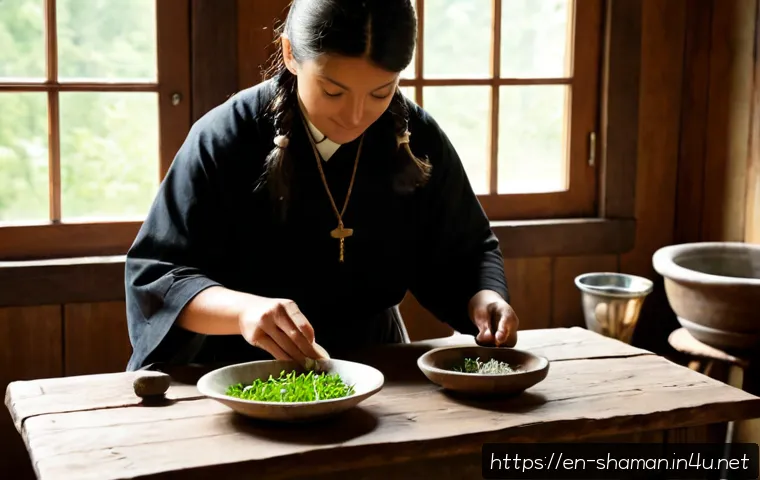
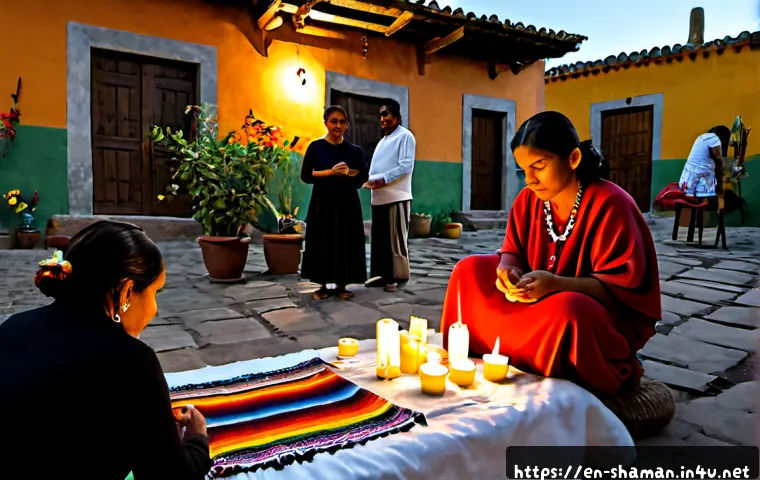
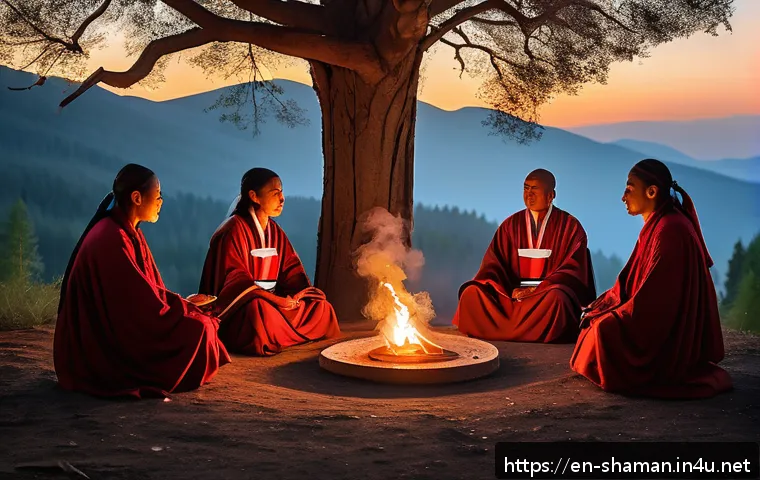
Shamanic healing rituals are not one fixed practice; their meaning, structure, and permissions vary greatly across cultures and communities. They may offer spiritual reflection, grief processing, or community connection, but they should not be presented as guaranteed medical or mental health treatment.

If you are considering a ceremony, workshop, or private session, compare the format, the facilitator’s transparency, cultural accountability, consent process, and total fee.
A respectful provider explains what they offer without making miracle claims. For urgent health concerns, mental health support, or medical questions, seek qualified licensed care.
At a Glance
- Shamanism is an umbrella term for diverse Indigenous and local spiritual practices, not a single standardized religion.
- Rituals may include prayer, chanting, drumming, cleansing, offerings, storytelling, movement, or community participation.
- A ceremony can support reflection or spiritual meaning, but it is not a replacement for medical, emergency, or mental health care.
| Format | Typical Value | Questions to Ask | Cost Factors to Check |
|---|---|---|---|
| Private session | More personal space and direct conversation with a facilitator | What is included? What are the service boundaries and consent steps? | Full fee, session format, cancellation terms, and any separate materials |
| Group ceremony | Shared participation and community connection | How large is the group? Is participation optional at each stage? | Attendance fee, accessibility needs, and refund policy |
| Educational workshop | Cultural learning, discussion, and guided context | Is it education, spiritual support, or a ceremonial practice? | Workshop fee, schedule, included materials, and cancellation rules |
| Community-led cultural event | Observation or participation within a community context | Who hosts it, and what protocols should guests follow? | Entry conditions, requested offerings, and travel or access arrangements |
What People Mean by Shamanic Healing Rituals
Why There Is No Single Universal Ritual Format
“Shamanic healing” is often used broadly, but it does not describe one universal religion or one identical set of rituals. A practice may be rooted in a specific community, local history, language, or spiritual relationship. Its meaning can change depending on who leads it, who participates, and whether the event is private, educational, or community-led.
Spiritual Support, Cultural Practice, and Healthcare Are Different Roles
A ritual may be meaningful for spiritual reflection, emotional processing, grief, or connection with others. Those roles are different from diagnosis, psychotherapy, emergency support, or medical treatment. A careful facilitator should explain the scope of a spiritual wellness service and avoid suggesting that a ceremony can replace professional healthcare.
A Quick Answer for Readers Considering a Ceremony
Choose a format that matches your purpose. If your main goal is learning, a cultural workshop may be more appropriate than a private healing session. If you want community connection, a community-led event may offer more context. If you are facing a medical concern, severe distress, or a mental health crisis, seek licensed or emergency support rather than relying on a ritual.
Common Categories of Ritual Practice and Their Purpose
Cleansing and Protection Ceremonies
Some traditions include cleansing or protection practices. These may involve prayer, spoken words, movement, symbolic actions, or other culturally specific elements. Do not assume that a practice has the same meaning across communities. Ask what participation involves and whether any part of the ceremony is optional.
Prayer, Chanting, Drumming, and Altered-State Practices
Prayer, chanting, drumming, and repetitive movement may be part of certain ceremonies. Their purpose, intensity, and appropriateness vary widely. A responsible ceremony facilitator should describe the structure in advance, explain how consent works, and make clear whether guests may step back or leave if they feel uncomfortable.
Ancestor, Grief, and Community-Connection Rituals
Some rituals focus on remembrance, grief, ancestry, or belonging. Participants may seek a setting for reflection and shared support rather than clinical treatment. Because grief and trauma can be emotionally intense, it is reasonable to ask how the facilitator handles distress and what support is available if a participant needs to pause.
Offerings, Blessings, and Life-Transition Ceremonies
Blessings and life-transition ceremonies may mark a new stage, a loss, a family event, or a personal intention. Offerings can have specific cultural meaning and should never be treated as generic props. Ask whether an offering is expected, what is appropriate, and whether the practice is open to visitors or intended only for community members.
Comparing Private Sessions, Group Ceremonies, and Educational Workshops
Format Comparison: Privacy, Participation, Structure, and Cost Factors
A private session may provide more individual attention, while a group ceremony can emphasize collective participation. An educational workshop may be the clearest choice for people who want context before taking part in any spiritual practice. Before booking, compare the purpose, participation expectations, facilitator experience, total fee, and cancellation policy.
When a Community-Led Cultural Event May Be More Appropriate
A community-led event may be a better fit when your goal is respectful cultural learning or observation. The host community should set the boundaries. Visitors should not expect every practice to be open, explained in full, or adapted for outside audiences.
What Transparent Pricing and Service Boundaries Look Like
Clear providers describe what the fee covers, whether there are additional costs, and what happens if plans change. They also state what they do not provide. Be cautious if a provider avoids basic questions about fees, presents spiritual support as healthcare, or pressures you to make a quick decision.
Safety, Consent, and Cultural Respect
Avoiding Medical Claims and Miracle-Healing Promises
Be wary of claims that a ceremony will cure illness, guarantee emotional recovery, or solve complex life problems. Spiritual traditions can be meaningful, but outcomes cannot be assumed. A respectful wellness service makes realistic claims and does not discourage participants from seeking medical or mental health care.
Questions to Ask About Training, Lineage, Permissions, and Facilitation
Ask direct, calm questions: What is your training? What is your relationship to this tradition? Who gave permission for you to facilitate this practice? What does consent look like during the event? A facilitator’s authorization or accountability to a cultural tradition should be verified directly rather than assumed from a title or online description.
When to Seek Licensed Medical or Mental Health Support Instead
Seek qualified professional help for emergencies, medical symptoms, serious mental health concerns, or situations requiring diagnosis and treatment. A ceremony facilitator is not automatically a licensed healthcare provider. If you are unsure whether a ritual is appropriate for your circumstances, professional guidance is important.
Respectful Participation: Photography, Clothing, Offerings, and Boundaries
Do not take photographs, record audio, wear symbolic clothing, or bring offerings unless the host clearly permits it. Follow the instructions given by the community or facilitator. Respect also means accepting “no” when a ritual, role, or sacred space is not open to guests.

Choosing the Right Experience for Your Situation
For Cultural Learning and Observation
Look for an educational workshop or a clearly announced community-led cultural event. Prioritize context, respectful hosting, and transparent guidance about visitor behavior.
For Spiritual Reflection or a Personal Transition
A private session or small ceremony may appeal to someone seeking space for reflection. Ask about the process, boundaries, and the facilitator’s approach to consent before committing.
For Group Connection and Community Participation
A group ceremony may suit people who value shared presence and collective ritual. Confirm whether active participation is expected and whether there is room to observe quietly.
For People Who May Need Additional Emotional or Clinical Support
If you have trauma-related concerns, a mental health condition, or a medical issue, do not assume any spiritual practice is appropriate. Consider licensed support first and verify whether a facilitator can responsibly explain the limits of their service.
Choosing a Facilitator or Workshop: Decision Criteria and Comparison Summary
Transparency, Consent, and Realistic Claims
Choose providers who explain the format, participant expectations, fees, and boundaries before payment. Consent should be ongoing, not assumed once you arrive.
Cultural Accountability and Community Connection
Look for a clear explanation of the facilitator’s cultural relationship to the practice. Avoid providers who use broad labels while offering no context, no accountability, and no respect for community-specific permissions.
Fee Clarity, Cancellation Terms, and Accessibility
Compare the total fee, not only the advertised entry price. Review cancellation terms, access needs, group size, and whether you can contact the organizer with practical questions before booking.
A Final Checklist Before Booking or Attending
Confirm the purpose of the event, the facilitator’s role, consent procedures, cultural protocols, full cost, and cancellation conditions. If the answers are vague or the pressure feels uncomfortable, it is reasonable to step away.
Selection Criteria and Comparison Summary
Before choosing a ceremony facilitator or cultural workshop, compare format, transparency, cultural accountability, consent practices, accessibility, and the total fee. Check whether the event is intended for education, community participation, or personal spiritual support. Confirm service boundaries and avoid providers making guaranteed healing claims. For official guidance, detailed conditions, and booking policies, review the organizer’s own information page before attending.
In Closing
Shamanic healing rituals are diverse cultural and spiritual practices, not a single product or treatment method. The most respectful approach is to learn the context, ask clear questions, and follow community boundaries. A meaningful experience should not require exaggerated promises or pressure. When health or mental health concerns are involved, professional care remains essential.
Useful Things to Know
1. A workshop and a ceremony are not automatically the same type of experience.
2. Permission, participation rules, and ritual meanings can differ by community.
3. Clear fees and cancellation terms are part of responsible facilitation.
4. It is acceptable to observe, ask questions, or decline participation when permitted.
Important Notes
No ritual can be assumed to improve physical or mental health. The suitability of a specific practice depends on the person, the setting, and qualified guidance where needed. Verify a facilitator’s training, authorization, and cultural relationship directly. Spiritual or traditional healing should never replace emergency care, medical advice, or mental health treatment.
Frequently Asked Questions
Q1. Are shamanic healing rituals safe?
A1. Safety depends on the specific practice, facilitator, participant needs, consent process, and setting. Avoid miracle claims, ask what will happen, and seek licensed medical or mental health support for health concerns or emergencies.
Q2. How much does a private shamanic healing session or workshop usually cost?
A2. Prices vary by region, community, provider, format, and what is included. Ask for the full fee, any additional costs, cancellation terms, and service boundaries before making a booking.
Q3. How can I find a respectful and trustworthy ceremony facilitator?
A3. Look for clear information about training, cultural relationship, permissions, consent, fees, and the limits of the service. A trustworthy facilitator does not guarantee healing, pressure you to pay quickly, or present spiritual practice as a substitute for healthcare.